 EN
EN
Why the Interactive Point-and-Read Picture Book Market Is Growing Strongly
Key demand drivers: Early literacy trends, parental tech-savviness, and bilingual learning needs
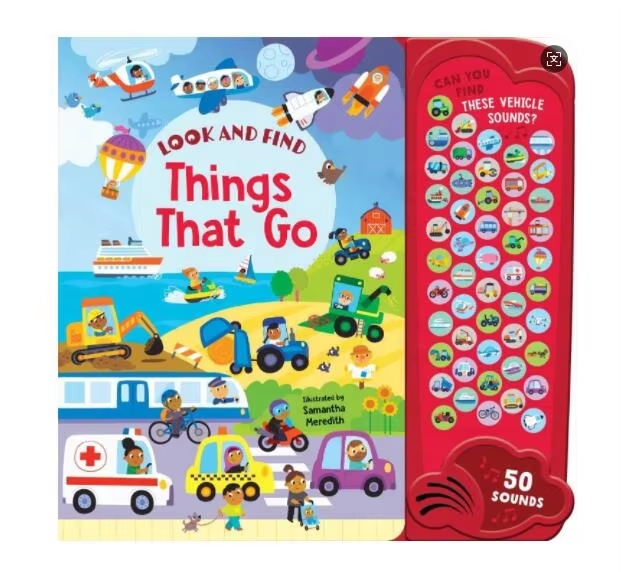
More and more parents are looking for ways to combine hands-on play with helping kids get comfortable with technology. Interactive picture books where kids can point at things and hear sounds or see animations are becoming really popular. These books offer multiple ways to learn at once - hearing words spoken aloud, touching parts of the page, and seeing colorful illustrations all together. This kind of teaching fits well with how most educators think about learning nowadays, what they call Universal Design for Learning principles. Kids tend to remember way more when they interact with stories this way. Some studies show that children might remember around 90% of what they read in these interactive books compared to only about 10% from regular paper books according to LinkedIn data last year. Parents who love gadgets especially appreciate these books because they help both language skills and brain development. Families speaking two languages find them super useful since many of these books let parents change the voiceover to different languages. Teachers have noticed too that these interactive books work great for kids with different needs, which makes reading easier for everyone from toddlers just starting out to school-aged children.
Market validation: Global preschool edutainment CAGR (2023–2027) and regional hotspots
Market analysts are seeing some pretty impressive growth numbers here, with expectations of around 12.7% annual growth between 2023 and 2027. This comes as no surprise really, since institutions keep jumping on board and online shopping across borders just keeps expanding. Looking specifically at North America, the early learning market should pass the $3.5 billion mark sometime around 2028. Meanwhile over in Asia Pacific, things are heating up fast thanks to parents from growing middle classes investing more in their kids' English skills. The European Union isn't far behind either, where schools are adapting programs to include more science, technology, engineering and math elements. Something interesting worth noting? About half of all preschools have started using those interactive reading apps as part of regular lessons now. And let's not forget about government backing either. Organizations like UNESCO continue pushing forward with their worldwide literacy campaigns, which helps explain why we're seeing so many multilingual book options hitting shelves lately, especially in countries where language barriers still pose challenges for young learners.
How to Source Reliable Suppliers of Interactive Point-and-Read Picture Books
Critical vetting criteria: Audio fidelity, safety compliance (ASTM F963/EN71), and multilingual support
Audio quality matters when taking samples. Clear narration without distortion helps kids develop those important phonemic awareness and decoding abilities they need for reading. Products should meet safety standards too. Look for documentation showing compliance with ASTM F963 for US toys and EN71 for European ones. These cover stuff like toxic materials, potential mechanical dangers, and fire risks. When it comes to multilingual features, getting third party validation is smart since around two thirds of teachers are looking for bilingual learning tools these days. And don't forget to check how well the device works under different humidity conditions, say between 30% and 80% relative humidity. This ensures the product remains reliable whether used in dry desert climates or humid tropical regions where moisture can affect electronics.
Top red flags: Counterfeit audio chips, inconsistent voice quality, and non-compliant battery design
Don't accept any samples with robotic sounding voices, inconsistent volume levels, or laggy audio responses because these really kill engagement and break the flow of learning. Check carefully for any unauthorized audio parts too since they're responsible for about 4 out of 10 product recalls in kids' educational toys. Take a close look at those battery compartments as well. Designs that aren't properly child resistant run afoul of CPSC regulations and create serious choking hazards if little fingers get hold of them. Steer clear of suppliers who don't provide IP67 certification for dust and water resistance. We've seen time and again how moisture damage leads to problems with electronic books, accounting for roughly 3 in 10 failures when kids inevitably spill juice or drop them in puddles.
Pricing, MOQs, and Terms for Wholesale Interactive Point-and-Read Picture Books
Understanding wholesale pricing is vital for profitable sourcing. Factors like minimum order quantities (MOQs) and contract terms directly impact margins—so smart buyers analyze bulk discounts, payment timelines, and fulfillment flexibility to maximize value.
Negotiation levers: Tiered pricing, bundled SKUs, and exclusive territory rights
There are three main ways wholesalers can get better deals when negotiating with suppliers. Number one is tier pricing where bigger orders usually come with discounts. For instance, ordering around 500 items or more might bring down the cost per unit by roughly 15 to 20 percent. The second strategy involves bundling different product codes together. Think about combining popular items with those that fit specific educational needs but aren't mainstream sellers. This approach boosts profit margins while keeping the brand image intact. Third option worth considering is securing exclusive territories. This prevents competition within the same area and gives stronger grip over the market. Most suppliers will grant these exclusives if asked nicely enough, especially when there's commitment to longer contracts or minimum order quantities. Whatever agreements are made, it's smart practice to put everything down on paper first. Include details like what happens with warranty claims, how long before defects need reporting, and whether returns are allowed at all. Having clear written terms helps avoid headaches later on.
Cross-Border Logistics and Regulatory Compliance for Interactive Point-and-Read Picture Books
Global distribution logistics can be a real headache if not handled properly. One major pain point is getting those safety certifications aligned across different regions, especially ASTM F963 and EN71 standards which vary from country to country. And let's not forget about dealing with IATA rules when shipping products containing lithium batteries, since they're pretty much standard in modern gadgets these days. Tariff rates are all over the map too. The European Union generally charges around 4.7% on imports, whereas Brazil hits companies with a steeper 10.2%. Packaging requirements get complicated fast when multiple languages are involved. It's not enough to just translate text; companies need to adjust layouts so everything looks right culturally and place required regulatory information where authorities expect to see it. According to recent trade data from last year, messed up paperwork accounts for about 30% of customs holdups specifically for educational toys. Smart businesses work with bonded warehouses located close to their main markets and invest in good digital systems to track compliance issues. With more than half of OECD nations updating their child safety regulations every single year, staying ahead of these changes isn't optional anymore. Companies that fail to keep tabs on evolving regulations risk having shipments rejected at borders, which means lost time and money plus disrupted access to important markets.
FAQ
Why are interactive picture books becoming popular?
Interactive picture books are popular because they offer a combination of hands-on play, technology integration, and multilingual learning, which aligns with modern educational principles like Universal Design for Learning.
What safety standards should interactive picture books meet?
Interactive picture books should comply with ASTM F963 for US toys and EN71 for European toys, which cover safety aspects like toxic materials and mechanical dangers.
How can wholesalers negotiate better deals on these books?
Wholesalers can negotiate better deals through tier pricing, bundled SKUs, and securing exclusive territory rights, all of which can lead to discounts and better market control.
What are some logistics challenges for distributing these books globally?
Logistics challenges include aligning safety certifications across regions, dealing with tariff discrepancies, and ensuring correct multilingual packaging, as well as compliance with changing international regulations.
Table of Contents
- Why the Interactive Point-and-Read Picture Book Market Is Growing Strongly
- How to Source Reliable Suppliers of Interactive Point-and-Read Picture Books
- Pricing, MOQs, and Terms for Wholesale Interactive Point-and-Read Picture Books
- Cross-Border Logistics and Regulatory Compliance for Interactive Point-and-Read Picture Books
- FAQ