 EN
EN
Why Interactive Educational Toys Excel as Brand Ambassadors
Cognitive engagement and dual-audience appeal: Building brand recall with children and trust with parents
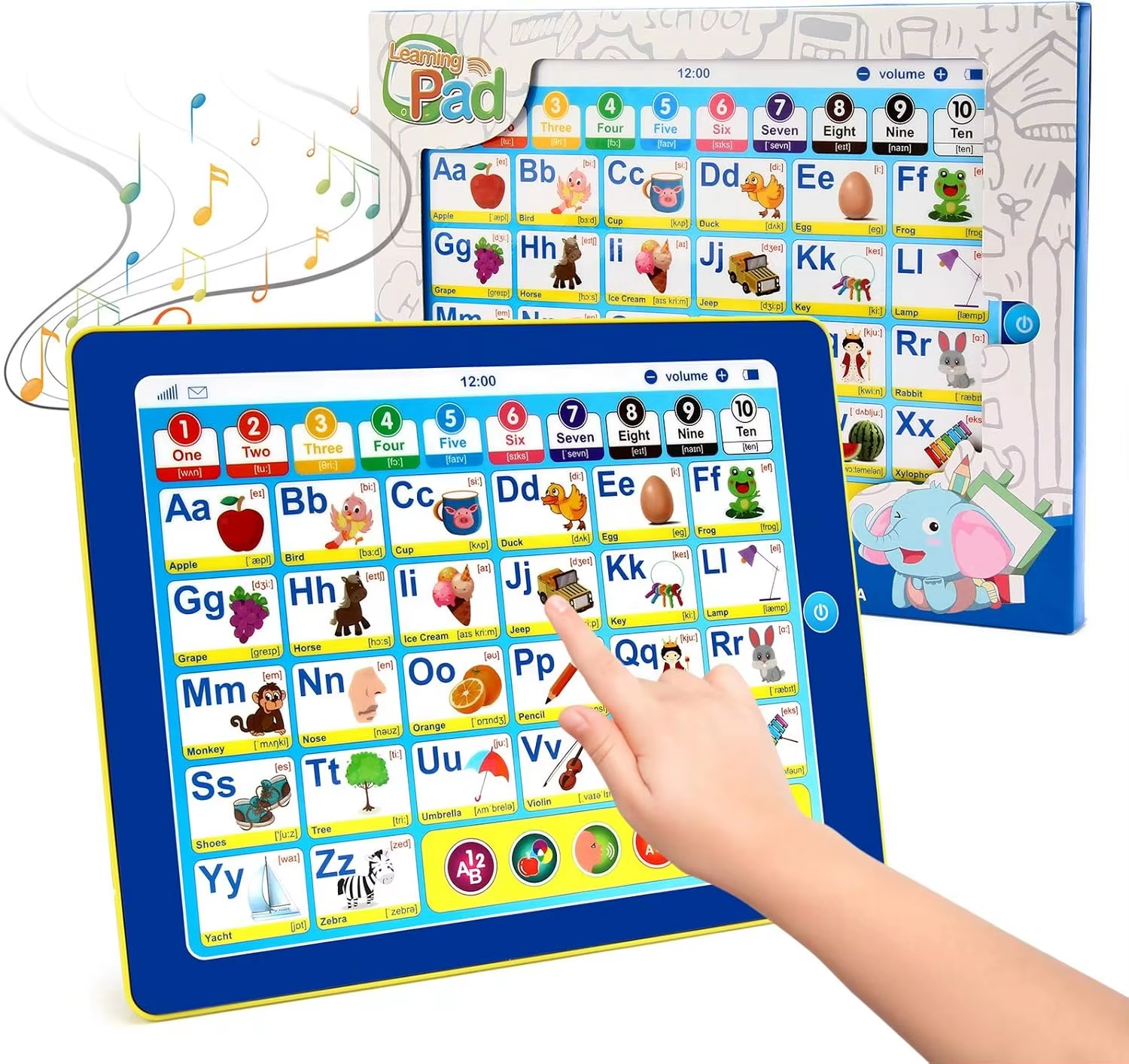
Educational toys that engage kids with hands-on activities really grab their attention because they let children explore physically and solve problems as they go along. Research shows that when kids learn by doing rather than just watching, they remember stuff about 45 percent better. And this kind of active engagement helps build those early connections between a brand and a child's mind naturally over time. Most parents care deeply about what their kids are learning through play, with around 85% saying education matters most when picking out toys for their children. That means toy companies have a real opportunity here. When kids associate fun with a particular brand, and parents start seeing that same brand as someone who genuinely supports their child's growth, something special happens. These toys don't need flashy ads to win over families. Instead, they build trust simply by working well and delivering actual educational benefits day after day.
Real-world proof: LEGO Education's co-branded STEM kits with NASA and National Geographic
LEGO Education's collaborations with NASA and National Geographic exemplify how strategic partnerships elevate brand authority. By grounding kits in real astrophysics challenges or conservation science, they achieved triple the engagement of standard educational toys. The success rests on three pillars:
- Authentic Learning: Content mirrors actual scientific inquiry and fieldwork
- Co-Brand Synergy: Credible institutions reinforce each other's expertise and values
- Measurable Impact: A 62% increase in brand consideration among parents followed campaign exposure
These initiatives demonstrate that interactive toys generate tangible brand lift when aligned with mission-driven partners—and when learning remains the undisputed priority.
How to Customize Interactive Educational Toys for Brand Integration
Embedding brand identity through NFC, AR triggers, and voice personalization—without compromising safety or cost
Brands can integrate identity meaningfully using three scalable technologies—each designed to enhance, not distract from, learning:
- NFC chips embedded in physical components trigger curriculum-aligned digital experiences (e.g., scanning a puzzle piece to unlock a character's backstory)
- AR markers, activated via companion apps, bring abstract concepts to life—such as animating historical figures when scanning textbook illustrations
- Voice-enabled personalization, powered by child-specific speech recognition, adapts tone and pacing to foster relatable, age-appropriate guidance
Building these features onto existing platforms can boost average engagement time around 40%, all without really bumping up production costs much. Safety and educational value should always come first when making customizations though. The physical components need to pass ISO 8124 tests for small parts and contain no harmful substances. For digital aspects, companies have to handle children's data according to COPPA rules, store voice recordings securely with encryption, and keep content properly moderated. Brands looking to save money typically tweak surface details instead of redesigning everything from scratch. Things like adding NFC tags to stickers or printing augmented reality elements directly onto packaging work well. This approach cuts development expenses by about 60% while still keeping all the necessary safety certifications intact.
Key implementation priorities include:
- Material Safety: Non-toxic, durable finishes on all printed or embedded tech components
- Data Minimalism: Collecting only essential, anonymized engagement metrics
- Scalable Tech: Leveraging SDKs for AR/voice features instead of custom code
- Progressive Enhancement: Beginning with low-risk cosmetic integrations before layering in complex interactivity
This approach ensures brand expression supports—not supplants—the core educational mission, turning every interaction into a credible, memorable touchpoint for both children and caregivers.
Navigating Compliance: Safety, Privacy, and Regulatory Requirements
Getting compliance right from day one matters a lot when developing interactive educational toys that feature brand partnerships. When companies ignore safety standards such as ASTM F963 or CPSIA, they're looking at recalls costing around $740,000 on average according to research from Ponemon Institute back in 2023. Privacy issues present another challenge altogether. Making sure COPPA rules work smoothly with how parents give permission gets complicated fast, especially when trying to meet GDPR requirements in Europe or Korea's KCPA regulations for products sold internationally. The whole system needs thoughtful planning behind the scenes. Most experienced developers know this isn't something to tackle last minute during product development cycles.
- Third-party lab certification for both physical components and digital interfaces
- Age-gated data collection, with clear, just-in-time consent mechanisms for guardians
- End-to-end encryption for voice recordings or biometric inputs
Crosswalk documentation mapping EN 71 (EU), ISO 8124 (International), and regional equivalents prevents fragmented compliance efforts. Proactive audits reduce legal exposure by 73% versus reactive responses—protecting both brand reputation and child well-being.
Measuring Marketing Impact: From Toy Interactions to Real Business Outcomes
Attribution models: Linking scan rates, play duration, and engagement metrics to CRM and sales lift
When we look at how play translates into actual business results, the connection becomes pretty clear. Brands can track what works by combining things like how often people scan NFC tags, how long they spend playing (around 78% of successful campaigns keep folks engaged for over 12 minutes), and how many times they come back to interact with toys in their CRM systems. What we find is interesting: customers who engage with branded toys three or more times tend to be about 24% more likely to make purchases later on. This isn't just speculation either. We've actually seen it happen when QR code or NFC scans lead directly to promotions being used at stores. Campaigns where toy interactions are linked to online sales typically generate orders worth 18% more money compared to those without tracking. To really know if these toys are making a difference, companies should watch for peaks in engagement around the same time as CRM activity and set up control groups so they can see exactly how much extra revenue comes from these playful touchpoints.
FAQ Section
What are interactive educational toys?
Interactive educational toys are toys designed to engage children actively and help them learn through hands-on activities and problem-solving.
How do interactive toys help in brand recall?
Interactive toys help in brand recall by creating natural connections between the brand and the child's mind through engaging activities, which parents recognize as beneficial for their child's growth.
What technologies can brands use for integrating identity in educational toys?
Brands can use NFC chips, AR markers, and voice-enabled personalization to integrate their identity into educational toys without compromising safety or cost.
Why is compliance important for educational toys?
Compliance is essential for educational toys to ensure safety standards are met and to protect children's privacy, preventing costly recalls and legal challenges.