
 EN
EN
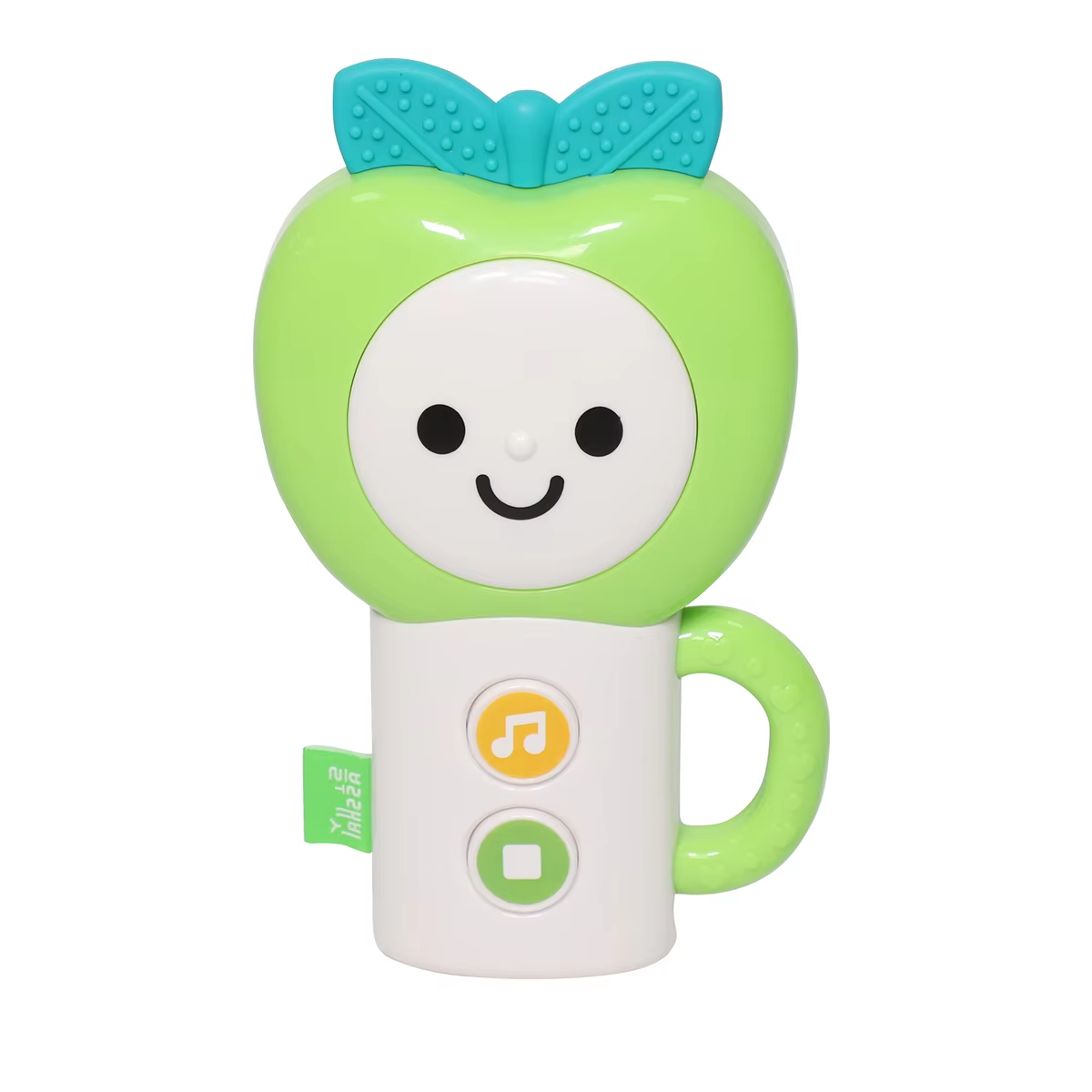
Foundations of Auditory Processing and Neural Pathway Formation
How Talking Early Education Sound Books Stimulate Auditory Cortex Development
In the first few months of life, the part of the brain responsible for hearing grows really fast. Neural connections start forming when babies hear sounds over and over again in organized ways. Those interactive baby books with buttons that make noises actually give just the right kind of sound at just the right time. They play animal noises or music notes which light up specific areas in the developing brain. Studies indicate that kids who hear different kinds of speech sounds tend to have about 40% more connections related to processing sounds by their second birthday according to research published last year. These sounds help build protective coverings around nerve fibers too, making signals travel faster and helping babies tell apart similar sounds better. The way these books work with push buttons gives instant responses that train how the brain fires off messages. This matters most between birth and around age three when the brain is super good at creating lasting hearing circuits.
Sound-Image Association and Synaptic Pruning in the First Two Years
Interactive books help kids learn better by connecting what they see with what they hear, which gets different parts of the brain working together including that important memory center called the hippocampus. Imagine a little kid pressing on a picture of a cow and hearing it say "moo" at the same time. This kind of experience makes those mental connections stronger while helping prune away unnecessary brain pathways. Research published last year showed kids who played with these kinds of books had their brains develop 30 percent quicker in certain areas. These books aren't just random though. They're designed specifically to help this happen through repeated patterns, different types of sounds like loud vs quiet or short vs long noises, and predictable audio effects. All these features work best during specific times in child development when the brain is especially good at making these changes and adapting its structure.
Building Early Language and Literacy Skills Through Targeted Sound Exposure
Phonemic Awareness and Speech Sound Discrimination via Talking Early Education Sound Books
Sound books designed for early learning offer concentrated auditory practice by separating out those tiny speech sounds we call phonemes. These books repeat simple sounds like /b/ and /p/ over and over again in a clear way. When babies hear these distinctions regularly, their brains start forming special connections that help them tell apart similar sounds. Research shows kids who use these books consistently from birth to age three actually process sounds about 30 percent faster than those who just listen passively. What makes these books so valuable? They work on several important reading basics at once. Visuals pop up right when the sounds happen, teaching letter associations. The rhythm helps break words into syllables naturally. And changes in pitch teach little ones how tones can express different emotions. Interestingly enough, studies point to phonemic awareness being even more important for future reading skills than intelligence quotient measurements. So getting this kind of training early really does set the stage for better reading abilities down the road.
Vocabulary Growth and Listening Comprehension in Preverbal Learners
Babies start picking up language long before they can actually speak, mainly by connecting sounds to meanings in their environment. Sound books take advantage of this natural learning process by pairing words with real-life noises. Think about how a book might link "dog" with a bark or "rain" with actual rainfall sounds. Studies using brain scans have shown something interesting too. Kids who get regular exposure to these kinds of multi-sensory experiences tend to have about 40% more activity in their hippocampus when they encounter new words. This suggests their brains are better at remembering what they've learned. These interactive tools help create mental connections between concepts, like associating different farm animals with their characteristic sounds. They also work the memory muscles as kids follow sequences where pressing a picture leads to hearing a sound and then seeing an image. What's really cool is that over time, children begin to predict what sound will come next based just on what they see. The results? Kids using these methods typically grow their vocabulary nearly 2.5 times faster compared to traditional approaches. This early boost gives them a much stronger base for understanding full sentences later on.
Fostering Cause-and-Effect Reasoning and Interactive Engagement
Button-Activated Feedback Loops That Reinforce Executive Function Foundations
When little fingers press buttons and hear sounds right away, it actually helps build those important thinking skills we call executive functions. Kids start to understand that pushing this button makes that noise happen because they see what happens when they do something specific. The more they play with these toys, the stronger their brain connections get around things like waiting patiently until told to press again, remembering which buttons make which noises, and guessing what will happen next based on what's happened before. These activities turn just sitting there listening into doing stuff with purpose, which teaches babies how to think logically and feel in control of their surroundings something super important for growing minds.
Balancing Stimulation and Developmental Appropriateness
Evidence-Based Guidelines for Optimal Use of Talking Early Education Sound Books
Want to get the most out of those talking books without overwhelming little ones' senses? Here are some tips based on what research shows works best. Babies under twelve months really only need short sessions around five to ten minutes long since their attention spans aren't very long anyway. Parents should definitely join in during these times too. Point at pictures together, say what things are called, and repeat sounds they hear. This helps turn simple noises into meaningful language building blocks. When kids hit that one to two year mark, we can stretch reading time to about fifteen minutes. Look for storybooks that have interactive elements where pressing buttons makes things happen. These kinds of cause and effect activities actually help develop important thinking skills later on. Try swapping out three or four different books each week so there's always something new happening. Kids love discovering fresh words and hearing different sounds. But remember not to rely solely on electronic stuff. Mix in quiet reading time, let them touch textures, and give plenty of space for just running around and playing freely. Watch closely for signs that maybe the session is getting too much. If they start looking away, turn their head, or get fussy, that's your cue to wrap things up sooner rather than later. Keeping an eye on these signals means talking books stay helpful but never become overwhelming in the bigger picture of healthy childhood development.
FAQ
What are Talking Early Education Sound Books?
Talking Early Education Sound Books are interactive books designed for young children, featuring sound buttons and vivid imagery to stimulate auditory and visual learning.
How do these books stimulate auditory cortex development?
These books play specific sounds at optimal times to stimulate neural connections in the auditory cortex, enhancing sound processing abilities.
How do sound-image associations in these books aid learning?
These books associate sounds with images, engaging multiple brain areas and strengthening mental connections while aiding synaptic pruning.
Why are these books beneficial for phonemic awareness?
By separating phonemes and repeatedly exposing children to them, these books help in forming brain connections that enhance sound discrimination.
How can parents optimize the use of these books?
Parents can optimize use by engaging with their children during reading sessions, swapping books regularly, and watching for signs of overwhelm.