
 EN
EN
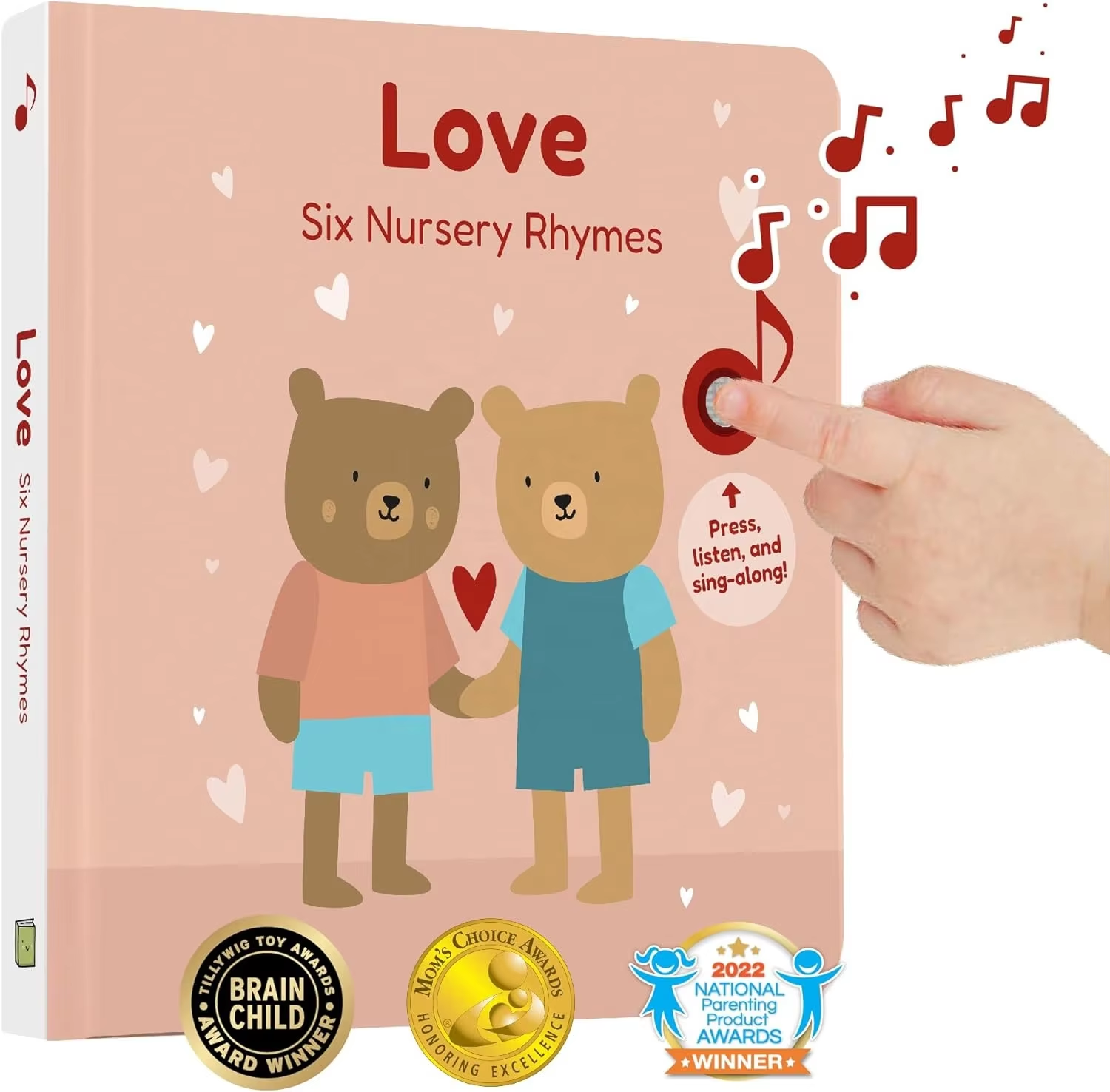
Align the Talking Early Education Sound Book with Your Child’s Developmental Stage
Language Acquisition Milestones and Audio Content Alignment
A talking early education sound book must match your child’s current language abilities to be effective. For infants (0–2 years), choose books with simple words, animal sounds, and short phrases—these build first vocabulary and support sound–meaning connections. Toddlers (2–4 years) benefit from short stories, embedded questions like “Where is the cat?”, and audio cues reinforcing counting or colors. Preschoolers (4–6 years) are ready for richer narratives, rhymes, and early story arcs. A well-aligned sound book uses repetition and familiar routines to cement learning without overwhelming the child. As language skills grow, audio content should gradually increase in complexity—from single words to full sentences—turning passive listening into active participation and accelerating speech development.
Sensory Engagement Requirements: 0–6 Months vs. 6–24 Months
Sensory needs shift rapidly in the first two years. From 0 to 6 months, prioritize high-contrast images, calm melodies, and gentle, predictable sounds—the goal is soothing stimulation, not cognitive overload. Between 6 and 24 months, engagement demands rise: babies seek interactivity—press-to-play buttons, lift-the-flap surprises, and tactile textures—and expect immediate, rewarding feedback (e.g., a cow saying “moo” on cue). Younger infants thrive with one clear sound per page; older toddlers engage more deeply with books that invite them to find objects or match sounds to pictures. Matching sensory design to developmental stage prevents frustration and sustains curiosity.
Motor Skill Readiness and Physical Interaction Compatibility
Fine motor development directly affects how a child interacts with a talking early education sound book. Babies aged 6–12 months need large, easy-to-press buttons—supporting their emerging pincer grasp while minimizing fumbling. Toddlers aged 12–24 months can manage smaller buttons, slide tabs, and simple flaps. The book’s physical design must reflect this progression: sturdy board pages resist tearing, rounded corners prevent injury, and reinforced bindings withstand repeated use. Well-designed interaction encourages repetitive pressing, strengthening hand–eye coordination and cause-effect understanding. If physical demands exceed a child’s motor capacity, engagement—and learning—plummets. Always assess compatibility with your child’s current motor stage before purchasing.
Prioritize Key Features in a Talking Early Education Sound Book
Audio Quality, Clear Narration, and Age-Appropriate Voice Modulation
Clarity is foundational: young children learn language through precise auditory input. Prioritize crisp, professionally recorded narration at gentle, consistent volume levels—poorly recorded or muffled audio can confuse toddlers and reduce engagement. Look for warm, expressive delivery at a measured pace, giving children time to process each syllable. Voice modulation should align with developmental needs: brighter, sing-song tones suit infants, while varied intonation holds older toddlers’ attention. High-fidelity audio doesn’t just enhance enjoyment—it actively supports phonological processing and word acquisition.
Interactive Design Elements: Press-to-Play, Lift-the-Flap, and Tactile Feedback
Interactive features transform passive listening into multisensory exploration. Press-to-play buttons reinforce cause-and-effect reasoning; lift-the-flap elements spark curiosity while building fine motor control; and tactile feedback—textured fabrics, crinkly pages, or smooth panels—deepens neural engagement. A thoughtfully designed sound book layers these features purposefully: one page might pair a sound trigger with a textured patch to reinforce a new word. Durability is non-negotiable—rounded edges, reinforced bindings, and washable materials ensure longevity across daily use. This intentional integration sustains attention and strengthens learning pathways.
Verify Educational Integrity and Safety Standards of the Talking Early Education Sound Book
Early Literacy Support: Rhyme, Repetition, Controlled Vocabulary, and Phonemic Awareness
Choose talking early education sound books developed by childhood literacy specialists—not just publishers—to ensure pedagogical rigor. Prioritize titles built around rhythmic patterns and repetition, which research shows strengthen phonological awareness and linguistic predictability. Controlled vocabulary sequences prevent cognitive overload, while explicit phonemic awareness prompts—such as isolating target sounds (“b” vs. “p”)—create scaffolded, evidence-informed learning. Avoid models with distortion-prone speakers: auditory clarity is essential for distinguishing subtle phonetic differences critical to early speech development.
Non-Toxic Materials, Durability, and Age-Safe Physical Design (Board, Cloth, Washable Formats)
All components must comply with internationally recognized safety standards—including EN 71-3 (EU) for heavy metals (lead <0.5 mg/kg; cadmium <0.3 mg/kg) and ASTM F963 for mechanical durability. Board books should withstand ≥10,000 page turns; cloth editions require certified machine-washability. Critical safeguards include:
- Choking prevention: Battery compartments secured with Torx® screws requiring tools for access
- Entanglement risk mitigation: Ribbons no longer than 20 cm, per EN 71-1
-
Material integrity: Paper-free construction with fully rounded corners to eliminate paper-cut hazards
Rigid plastics used in certified ECE-compliant designs withstand bite forces exceeding 50N without fragmentation—ensuring safety during teething and active exploration.
FAQs
Q: What type of audio content is best for infants under 2 years?
A: For infants under 2 years, choose books with simple words, animal sounds, and short phrases. These help build first vocabulary and strengthen sound–meaning connections.
Q: Are interactive elements necessary?
A: Yes, interactive elements like press-to-play buttons and textured patches enhance engagement, build motor skills, and deepen neural connections.
Q: How can I ensure the book is safe for my child?
A: Choose books made with non-toxic, age-safe materials that comply with international safety standards. Look for durable construction and features like secured battery compartments.
Q: Does audio quality affect learning?
A: Absolutely. Crisp, clear narration aids in phonological processing and ensures children can distinguish subtle sounds critical for early speech development.
Q: At what age should I introduce books with smaller buttons or flaps?
A: Around 12–24 months, toddlers can handle smaller buttons and flaps as their motor coordination improves.