 EN
EN
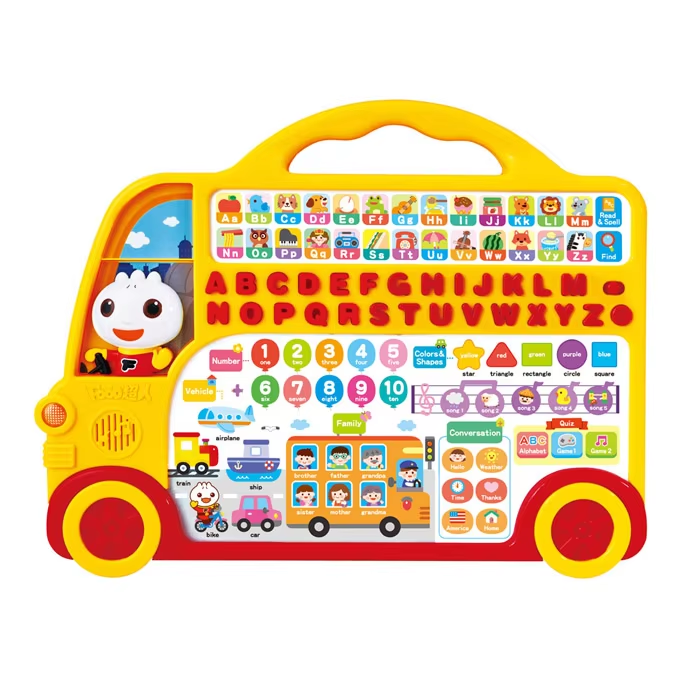
Why Developmental Alignment Drives Smart Early Learning Toys Selection
When picking out toys for kids, matching them to different developmental stages really boosts what children learn while their brains are still forming connections. Kids generally go through certain stages as they grow: starting with exploring things through touch and senses, then moving on to pretend play, and eventually developing basic problem solving skills. Getting the wrong kind of toy for each stage can lead to problems - too hard and it frustrates the child, too easy and they lose interest pretty quickly. That's why smart learning toys designed specifically for each age group actually offer some pretty good benefits for young learners.
- Optimized neural wiring: Age-appropriate stimuli strengthen neural pathways for executive function and emotional regulation.
- Skill scaffolding: Toys that evolve with abilities build competencies incrementallylike stacking blocks advancing from gross motor practice to spatial reasoning.
- Sustained motivation: Activities meeting children at their developmental level foster deeper immersion, extending learning sessions by 40% compared to misaligned alternatives.
A 2023 neuroeducation study found toddlers using stage-matched toys demonstrated 2.3Â faster language acquisition than peers with random playthings. This precision transforms play from entertainment into brain-building workwhere every interaction reinforces emerging capabilities through joyful, frustration-free exploration.
Smart Early Learning Toys by Age Stage: Sensory, Symbolic, and Strategic Play
012 Months: Sensory-Responsive Smart Early Learning Toys for Neural Priming
Babies discover the world around them mainly through their senses, so it makes sense they need toys that work on sight, sound, and touch. Bright contrasting colors along with soft noises actually help build those important brain connections during those first few years when most of the brain's structure forms by about three years old. Around 85% of that growth happens before kids even start preschool. Teethers with different textures are great for developing mouth muscles, and those bouncy gym mats let little ones practice grabbing things and stretching out. All these activities lay down the basic thinking patterns because babies respond best to repeated experiences that engage multiple senses at once.
13 Years: Voice-Enabled Smart Early Learning Toys for Autonomy and Language Scaffolding
Toddlers develop autonomy through cause-and-effect experimentation. Voice-responsive toys that answer simple questions or name objects build vocabulary 40% faster than passive alternatives. Interactive puzzles with audio feedback reinforce problem-solving, while musical instruments with pre-recorded nursery rhymes scaffold rhythm recognitionbalancing independent discovery with structured language exposure.
35 Years: Adaptive Smart Early Learning Toys for Early STEM Reasoning and Executive Function
For young children, having toys that grow along with their growing minds makes all the difference. Take those modular building sets for instance. Kids learn how things fit together in space and figure out what works and what doesn't through trial and error. Research has shown kids who play with these kinds of toys tend to be about 30 something percent better prepared for math later on according to long term studies. Then there are programmable robots which help little ones understand basic sequencing concepts. And don't forget about those nature kits complete with tiny digital microscopes that let them look at leaves and bugs up close, encouraging them to ask questions and test ideas. All these different types of adaptable playthings actually boost working memory capacity and help develop that ability to think flexibly when faced with new problems or situations. The best part? They allow each child to progress at their own speed without feeling rushed or left behind.
Evidence-Based Criteria to Evaluate Smart Early Learning Toys
Picking out good smart learning toys for young kids isn't just about flashy buttons and bright colors. We need to actually check if they help kids learn something real. Look at toys where researchers have studied how well they work with children's development. Language skills? Go for toys that talk back when kids speak and gradually teach new words as they grow. For STEM stuff, find ones with simple puzzles or sequencing games that match what little brains can handle at this age. Don't waste money on things that try to teach complex ideas too soon. Safety comes first obviously. Check those ASTM numbers for how tough the toy is physically, and make sure any app complies with COPPA rules about kids' data. Toys that respond clearly with sound and visuals tend to keep kids interested around 40% longer than ones that just sit there. Collaboration counts too. Kids learn faster when playing together, so pick toys that encourage sharing and teamwork. Also watch how the toy changes as the child gets better at it. The best ones get harder slowly so kids don't get frustrated. And here's a tip from experience: if teachers were involved in testing the toy, that usually means someone actually cared about whether it would really help kids develop properly.
FAQ
Why is matching toys to developmental stages important?
Matching toys to developmental stages is crucial because it boosts children’s learning and brain connections during their formative years. Age-appropriate toys ensure that playtime is both enjoyable and educational, helping avoid frustration and boredom.
What are examples of sensory toys for infants?
Examples of sensory toys for infants include teethers with varied textures and bouncy gym mats. These toys engage multiple senses at once and support neural development during the infant months.
How do smart toys aid language development in toddlers?
Smart toys aid language development in toddlers by responding to voice cues, naming objects, and providing interactive feedback. They help build vocabulary 40% faster compared to non-responsive toys.
What features should I look for in STEM-related toys for preschoolers?
Look for features such as modular building sets, programmable robots, and nature kits with digital microscopes. These toys encourage problem-solving, sequencing concepts, and early STEM reasoning.
How do adaptive toys benefit a child's growth?
Adaptive toys benefit a child's growth by evolving to match their developing skills, supporting incremental learning without causing frustration. They allow children to progress at their own pace.