
 EN
EN
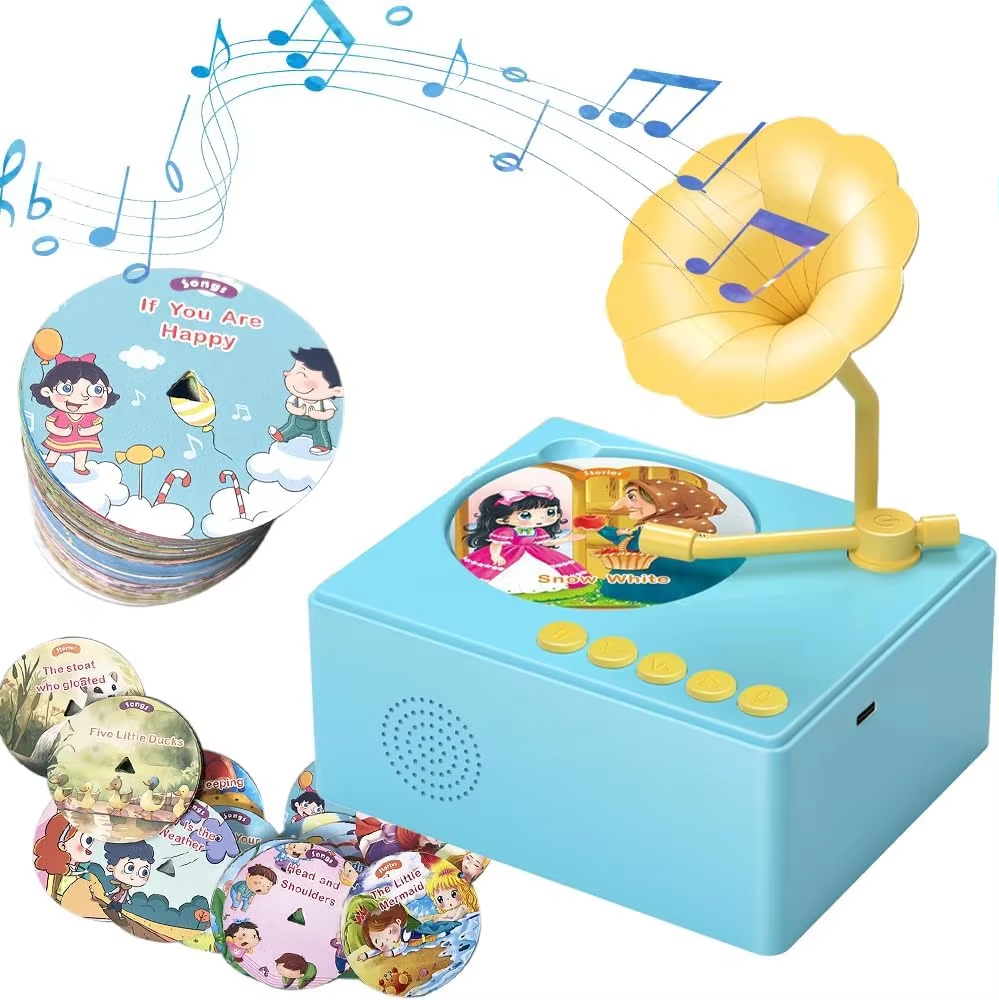
Foundations: How the Early Education Storytelling Machine Builds Oral Language Skills
Phonological awareness and syntactic intuition through narrative immersion
Storytelling machines used in early education really boost phonological awareness, which basically means kids get better at recognizing and working with sounds in words. When little ones listen to tales full of alliteration like “Silly Sammy swiftly swam” and catchy rhymes, something interesting happens inside their brains. They start connecting letters to sounds without even realizing it. Research from NIEER shows this actually improves their ability to break apart sounds in words by around 42% compared to just sitting there listening passively. At the same time, hearing complicated sentences helps build their understanding of grammar rules. Stories that show cause and effect, like “The caterpillar was hungry so it ate the leaf,” or talk about time sequences, such as “The sun came out after the storm went away,” give preschoolers a good foundation for proper sentence structure. Kids who regularly play with these devices tend to fix their own sentence mistakes much more often than other children, according to studies showing about 37% improvement in self-correction rates.
Dual-coding theory and embodied cognition in machine-mediated storytelling
The devices work based on what's called dual coding theory. They combine spoken words with matching visuals at just the right moment. Think about seeing animated butterflies flapping around when someone says the word "butterfly." This creates two different ways for kids to remember new words, which studies from the Journal of Educational Psychology found helps them retain vocabulary about 34% better. Kids also get physically involved with these tools. When they swipe their fingers across a screen to turn pages, it connects their body movement with what's happening in the story. This helps them understand what words mean. And watch what happens when little ones copy the actions in stories too. During earthquake scenes, they might shake their arms up and down just like characters do. These motions help build real connections between physical experiences and abstract ideas. All these senses working together makes learning stick much better than just listening to audio alone. Research shows this approach lights up parts of the brain 2.1 times more than regular audio lessons would, helping kids pick up practical language skills faster, like knowing when to use certain words in context or understanding emotions behind what people say.
Vocabulary Growth and Listening Comprehension with Adaptive Storytelling
Receptive vocabulary density gains via narrative-driven auditory scaffolding
Storytelling machines that adapt to individual needs help kids learn new words much faster than traditional methods. Instead of just repeating words in isolation, these systems place target vocabulary into stories filled with emotion and rich narratives. When children hear phrases like "glistening river" or "courageous explorer" multiple times throughout different parts of a story, their brains absorb the words naturally. Research from the Early Literacy Study in 2023 shows this method boosts word retention rates by around 78% after just six months. The real magic happens when new words become connected to specific situations, feelings, and outcomes in the stories. This creates mental associations that make understanding and using those words in different contexts much easier for young learners.
From passive to predictive listening: How adaptive story branching strengthens comprehension
Storytelling technology today makes listening an active thinking process rather than passive absorption. Kids get involved when they decide what happens next in stories, like choosing if "the rabbit crosses the bridge or not." This helps them build their ability to predict what comes next based on what they hear and what they already know about stories. Research from Child Development Journal shows these interactive stories boost understanding by around 45% over regular straight-line storytelling. When kids imagine different ways the story could go, their brains work harder at remembering details, making connections between ideas, and understanding sentence structures better. Some programs even include built-in pauses so children can think about what was said before moving forward, which turns simple listening into something more thoughtful and deliberate.
Designing for Impact: Engagement, Interaction, and Emotional Scaffolding in the Early Education Storytelling Machine
Balancing synthetic prosody and human-like cadence for emotional intelligence development
Early education storytelling machines help kids build emotional smarts through voice changes that feel just right. These systems adjust pitch, speed, and loudness in ways that fit natural speech patterns. They create emotional context too exciting faster tempos when characters go on adventures, softer tones during comforting parts of stories all while avoiding those creepy robot sounds people notice. Studies from Child Development Institute back this up showing kids who listen regularly get better at reading emotions in others about 40% improvement in spotting feelings during different situations. This not only helps them become more empathetic but keeps them interested in stories longer as well.
Evidence-based interaction design: Pause prompts, gesture cues, and multimodal feedback
Three empirically grounded interaction mechanics drive participatory learning:
- Pause prompts create intentional response windows, converting passive listening into active linguistic processing;
- Gesture recognition (e.g., tilting, clapping, tapping) grounds learning in embodied cognition, linking physical action to narrative meaning;
- Multimodal feedback delivers immediate, layered reinforcement: haptic vibrations confirm responses, adaptive light patterns visualize story progression, and context-sensitive sound effects reward engagement choices.
A 2022 meta-analysis of 17 studies found that devices incorporating all three elements increased sustained attention by 58% compared to audio-only formats transforming narrative consumption into dynamic, emotionally resonant skill-building.
Frequently Asked Questions
What is a storytelling machine for early education?
A storytelling machine is a device or tool used in early education that combines visuals and spoken words to boost phonological awareness, vocabulary growth, and listening comprehension in children.
How do storytelling machines help in vocabulary growth?
Storytelling machines place target vocabulary within emotion-filled narratives, allowing children to absorb and remember new words more naturally and effectively than traditional methods.
What is dual coding theory?
Dual coding theory is an educational psychology concept that suggests combining verbal and non-verbal information helps students better store and retrieve knowledge.
How do storytelling machines enhance emotional intelligence in kids?
These machines use voice changes in pitch, speed, and loudness to mimic natural speech patterns, helping children better interpret and understand emotions within stories.
Table of Contents
- Foundations: How the Early Education Storytelling Machine Builds Oral Language Skills
- Vocabulary Growth and Listening Comprehension with Adaptive Storytelling
-
Designing for Impact: Engagement, Interaction, and Emotional Scaffolding in the Early Education Storytelling Machine
- Balancing synthetic prosody and human-like cadence for emotional intelligence development
- Evidence-based interaction design: Pause prompts, gesture cues, and multimodal feedback
- Frequently Asked Questions
- What is a storytelling machine for early education?
- How do storytelling machines help in vocabulary growth?
- What is dual coding theory?
- How do storytelling machines enhance emotional intelligence in kids?