 EN
EN
Understanding Developmental Stages and Toy Suitability
How Developmental Milestones Shape Interactive Educational Toy Selection
When it comes to educational toys, they work best when matched to what kids can actually handle at different stages of their development. Babies really respond well to things that stimulate their senses. Think about those bright black and white patterns or squishy textured blocks that help wake up their brains for seeing stuff and feeling things. Around the toddler age, parents should look for toys that help little hands get better at grabbing and manipulating objects. Shape sorters and those stacking cups are great for that. Also important during this stage is language development, so toys that make sounds when pressed or turned can be super helpful. For preschoolers, we need to think bigger picture. Coding games for kids might seem odd, but they actually teach problem solving skills in fun ways. Role play sets with pretend kitchens or doctor kits help build social skills and emotional understanding too. Studies have found something interesting though - getting the wrong kind of toy can actually slow down progress. Toys that are too hard just frustrate kids who aren't ready yet, and ones that are too simple won't keep brighter kids engaged long enough to make a difference.
Cognitive, Motor, and Sensory Development by Age Group
- 0–12 months: Emphasis on sensory exploration (textured teethers, crinkle books) and cause-effect learning (push-button lights/sounds)
- 1–3 years: Introduction of spatial reasoning toys (nesting blocks) and coordination builders (bead mazes)
- 3–5 years: Focus on pre-math concepts (counting boards) and creative expression (magnetic building tiles)
A 2023 Pediatric Play Study found toddlers using age-appropriate sensory toys showed 42% faster language development than peers with generic playthings.
The Role of Play in Early Brain Development
When kids play, their brains actually build new connections between neurons. Educational toys aren't just fun stuff to occupy little hands they're kind of like construction workers for the brain, building those important mental highways that help with things like remembering stuff and staying focused. These same toys also give kids practice managing emotions when things get frustrating or exciting. Solving puzzles helps strengthen certain parts of the brain responsible for decision making, whereas playing together with others teaches them how to read people better and understand different perspectives. Research following kids over time shows something interesting too children who regularly interact with these types of toys tend to be about 19 percent ahead in getting ready for school when they turn five years old.
Interactive Educational Toys for Early Childhood (0–5 Years)
Infants (0–12 months): Sensory Stimulation and Motor Skill Foundations
Newborn toys need to engage those developing senses and help build early motor skills at the same time. Bright mobiles that contrast against walls and rattles with different textures really help babies track movement visually and explore things through touch. Some studies suggest that when babies get plenty of sensory stimulation during play, their brain connections can actually increase by around 40 percent within the first twelve months of life. Toys that teach cause and effect work wonders too. Think about those soft activity mats where little hands can grab and pull various attachments off. These kinds of toys naturally prompt babies to reach out, grasp objects, which is super important for developing hand-eye coordination down the road.
Toddlers (1–3 years): Encouraging Exploration, Language, and Coordination
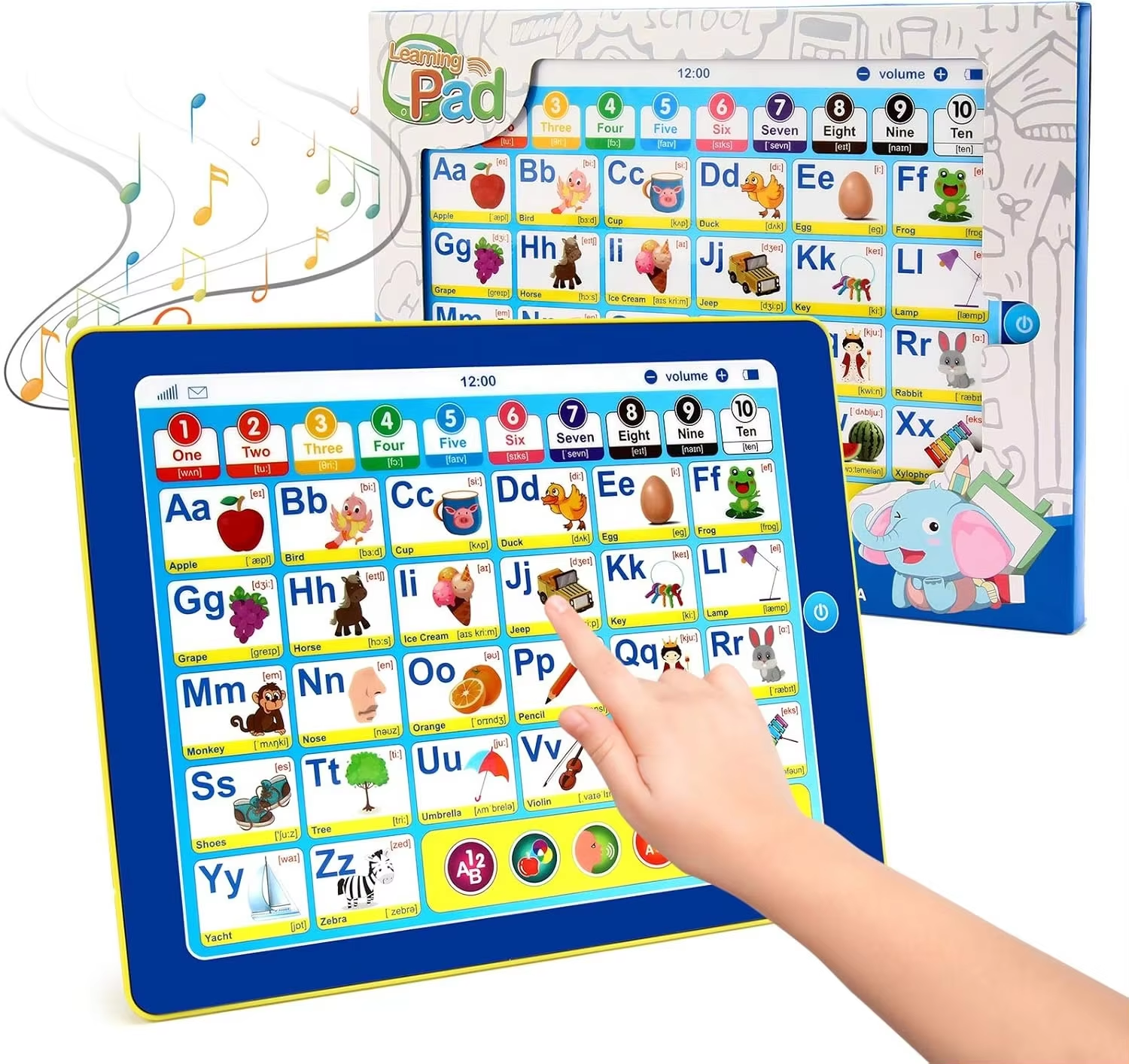
When kids start moving around more, certain toys really help them explore safely while learning to communicate. Those stacking cups with different textures and sounds? They're great for developing hand-eye coordination and teaching basic physics ideas without even realizing it. A recent study from the Early Learning Report in 2024 found something interesting too: when toddlers play with toys that have buttons making animal sounds or music, their vocabulary grows about 2.3 times quicker compared to just sitting there playing passively. And let's not forget about those push-pull toys where parents can adjust how hard they are to move. These actually work on improving balance skills and helping little ones understand where things are in space around them.
Preschoolers (3–5 years): Fostering Creativity, Problem-Solving, and School Readiness
As kids grow older, their play starts taking on more purposeful elements. Those building blocks with snap-together parts aren't just fun toys anymore they actually help little minds grasp shapes and angles while learning to stick with problems when things don't fit right away. Research from major kid development groups shows something interesting too kids who use those hands-on STEM kits get way more excited about math stuff than when they're stuck doing boring worksheets, maybe around 78% more engaged according to some studies. And let's not forget those pretend play sets with story prompts. They do wonders for helping children understand feelings and tell stories, which turns out to be super important when they start school and need to follow along with lessons and interact with classmates.
Interactive Educational Toys for School-Age Children (6–12 Years)
Early elementary (6–8 years): Introducing STEM concepts through science kits and coding games
Interactive educational toys really help kids between six and eight years old connect their playtime with basic STEM concepts. Science kits where they can actually see how weather works or put together simple circuits turn those tricky ideas into something real they can touch and understand. Coding games using blocks are also great because they let children learn about logic without getting bogged down by complicated code syntax. Some research suggests that building with construction sets and playing around with entry level robotics improves spatial awareness quite a bit - maybe around 32 percent better than just sitting and listening to lessons. What makes these toys so effective is that they tap into what kids already love doing naturally, which helps develop important thinking skills long before school starts teaching them all those tough math problems.
Late elementary (9–12 years): Robotics, engineering sets, and advanced building challenges
Kids around preteen years really get into challenges that feel like actual engineering problems. Robotics kits that can be programmed along with sensors work great for them. Mechanical building sets that include things like gears and hydraulics help develop their ability to solve problems again and again. When they tackle complicated 3D puzzles or build bridges in simulation games, they're actually learning about materials science without even realizing it. This kind of hands-on learning fits right into how most kids develop abstract thinking skills at this stage. Studies from the Cognitive Development Journal back this up, showing that about 89 percent of children experience this big jump in their ability to think abstractly during these years.
Balancing screen-based and hands-on interactive educational toys
When we mix digital stuff with actual physical tools, kids tend to learn better overall. Most education experts point to around three parts hands-on activity for every one part screen time. Why? Because when kids get their hands dirty with real things like chemistry sets or building structures, they remember about 40 percent more than if they just stare at screens all day. These kinds of tangible experiences stick in memory much better. And what about those building toys that can be made harder or easier depending on what someone needs? They work great for different ages and abilities. A five year old can start simple while older kids can tackle more complex challenges without feeling left behind.
Interactive Learning Tools for Teens and Beyond (13+ Years)
From Toys to Tools: Engineering Kits, AI Learning Labs, and Real-World Applications
Interactive educational toys become serious tools for skill development when teens start using them. Engineering kits these days come packed with microprocessors so kids can actually code working robots. Meanwhile, AI learning stations let students get hands on with machine learning by doing image recognition tasks. A lot of high schoolers are programming drones to create maps of pretend disaster areas, which brings together physics lessons with actual engineering processes. There are even climate modeling sets that mix temperature sensors with graphing software to show how environmental science works in practice. One particular kit has been making waves in schools as a way to explain climate change patterns in a tangible way.
When Do Interactive Educational Toys Stop Being 'Toys'? Rebranding for Older Learners
When kids start working with tools that actually build real skills for their future careers, something changes. Take those solar powered car kits - they transform into proper renewable energy labs once connected to serious CAD programs and actual industry standards. Companies aren't calling their products childish anymore. They ditched all that bright colors and silly names for simple packaging and labels like bioengineering starter modules instead of just science toys. This shift acknowledges how teens want to be taken seriously these days, yet still keeps that hands-on fun factor that really gets them engaged and helps knowledge stick around longer.
Choosing the Right Interactive Educational Toys by Age and Ability
Matching Toys to Developmental Needs and Interests Across Stages
When picking out interactive educational toys for kids, it really helps if they match what the child is going through developmentally and what interests them personally. According to some research done last year by HotBot, when toys fit where kids are at developmentally, they tend to stay engaged around 47 percent more than when given something completely wrong for their stage. Little ones in preschool generally get more out of games that tell stories and help build those emotional skills, whereas older kids starting school often benefit from STEM kits that show how things work together. The age recommendations on toys aren't just random numbers either—they actually take into account both safety issues and what kids can handle cognitively. Take puzzles as an example: most three year olds will struggle with anything having more than about 24 pieces, but by the time they're eight, some can tackle puzzles with well over 100 pieces without breaking a sweat. Studies watching actual play sessions found something interesting too—kids stick with toys much longer (about 68% longer!) when those toys tap into what they're currently fascinated by, like dinosaurs, making music, or building little robots.
Avoiding Frustration and Under-Stimulation With Proper Toy Selection
Kids tend to give up on super complicated toys after just 15 minutes flat in most cases, according to some research from Ponemon back in 2024. On the flip side, if toys are too basic they actually cut down on what kids can learn by about half. Keeping them interested means finding that sweet spot between what they can do now and what they might be able to tackle with a little help. Think of it like this zone where learning happens best when something feels just out of reach but still possible with some support. For little ones around six years old, those coding games that make sounds work way better than all those text filled programs adults love so much. Meanwhile teenagers usually get more out of engineering sets that let them build whatever comes to mind instead of following strict instructions step by step.
Parental Guidance in Supporting Long-Term Engagement and Learning
When caregivers spend time playing together with kids on a weekly basis and ask those thoughtful questions like "What do you think would happen if we tilted this ramp?" they actually boost learning results by around 62%. That's according to some research studies that have looked at this stuff. Keeping toys fresh every three months really works wonders for maintaining a child's attention span too, especially as they hit different growth stages. Mixing planned activities with what the kids want to explore themselves is super important for building their confidence. And watching out for signs that something isn't working anymore – like when a kid starts sighing a lot or just stops participating altogether – gives adults a chance to tweak things before frustration sets in.
FAQ
What are interactive educational toys?
Interactive educational toys are toys designed to engage children in learning activities while playing. They stimulate mental development, creativity, problem-solving, and other skills across different age groups.
How do interactive educational toys support development?
These toys help support cognitive, motor, and sensory development across various age groups by providing tasks and challenges that are suitable to the child's developmental stage and interests.
Why is it important to choose age-appropriate toys?
Age-appropriate toys are crucial because they match the child's developmental stage and cognitive abilities, ensuring engagement and avoiding frustration.
How can parents maximize learning with educational toys?
Parents can maximize learning by playing along with the child, asking guiding questions, rotating toys regularly to maintain interest, and choosing toys that align with the child's current interests and developmental needs.
Do interactive educational toys benefit teenagers?
Yes, interactive educational toys grow into more advanced learning tools for teens, incorporating real-world applications and helping build skills relevant to future careers.
Table of Contents
- Understanding Developmental Stages and Toy Suitability
- Interactive Educational Toys for Early Childhood (0–5 Years)
- Interactive Educational Toys for School-Age Children (6–12 Years)
- Interactive Learning Tools for Teens and Beyond (13+ Years)
- Choosing the Right Interactive Educational Toys by Age and Ability