
 EN
EN
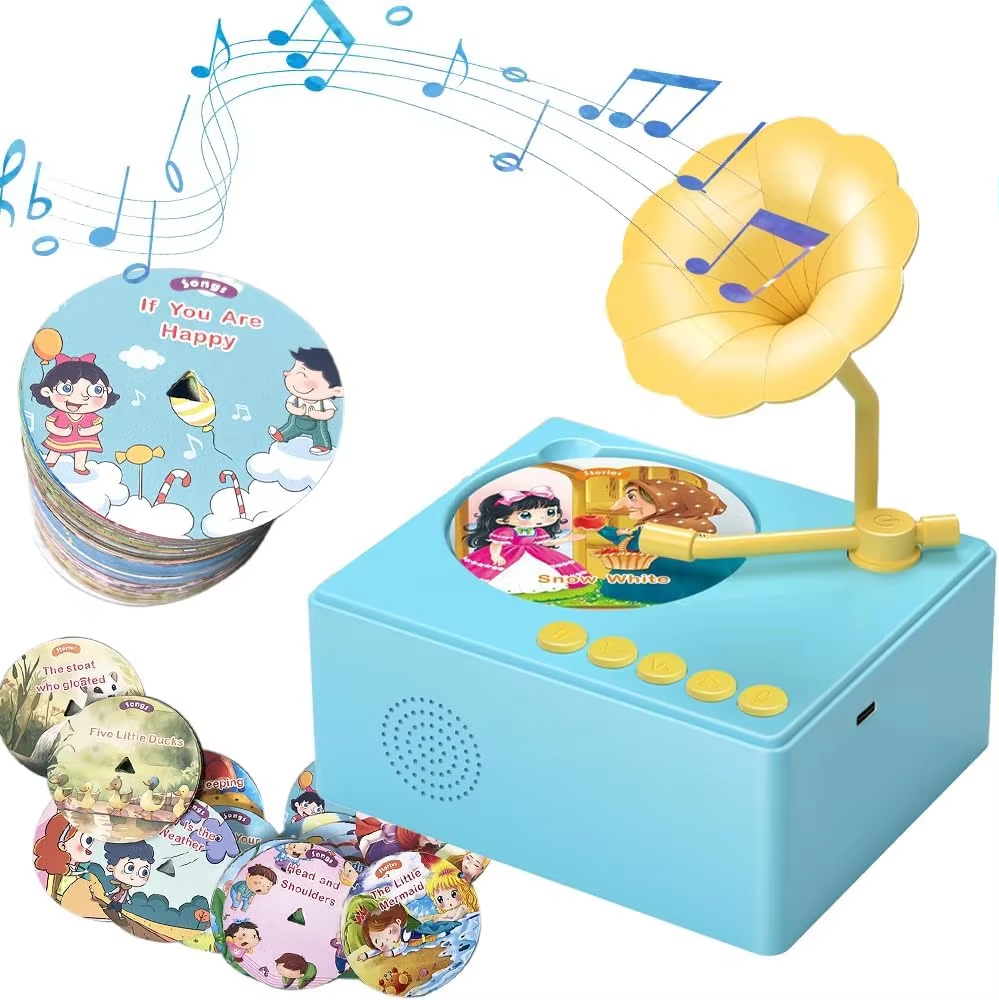
Understanding the Early Education Storytelling Machine
What Is an Early Education Storytelling Machine?
Early education storytelling machines are basically high tech toys that help kids learn through stories. These gadgets go way beyond regular picture books by mixing in videos, sounds, touch features, and even some smart technology that changes based on how each child interacts with them. The whole point is to boost thinking skills and help kids pick up new words and concepts. Some recent studies found that when kids use these kinds of tools, their brains light up in areas important for understanding stories and building vocabulary. Specifically, there's this part of the brain called the left angular gyrus that gets activated, and scientists think this area helps kids learn to read later on (as reported in Nature last year).
Core Components: How Multimedia Integration Enhances Learning
Modern storytelling machines integrate three core components:
- Adaptive audio (voice modulation, sound effects) to reinforce emotional engagement
- Visual stimuli (animated characters, contextual illustrations) to aid comprehension
- Interactive controls (touchscreens, physical props) to encourage hands-on participation
Together, these elements address multiple learning modalities. A 2022 study found that children using multimedia storytelling tools demonstrated 74% higher retention of narrative details compared to passive listening (NAEYC Report), highlighting the power of multi-sensory engagement.
The Shift from Traditional to Digital Storytelling in Early Childhood Education
Digital stories go way beyond just pictures on a page or someone telling a tale out loud. They respond to what kids do, letting them shape where the story goes next. When kids pick different paths in these stories, they're actually learning to make choices and take control. Research backs this up too. A study published in Nature last year found that when kids engage with interactive stories, their brains develop better at things like planning and organizing thoughts, plus their language skills get a real boost. Early reading experts have noticed something interesting as well. Kids who use tech-based storytelling methods tend to learn new words about 38 percent faster than those using traditional books. The best part? Parents don't need to worry about excessive screen time if adults stay involved during these digital reading sessions.
Educators now prioritize tools that merge digital innovation with developmental psychology, ensuring stories remain grounded in educational standards while leveraging scalable technology.
Interactive Features That Drive Engagement and Participation
Real-Time Feedback and Responsive Interaction in Storytelling Machines
Interactive tech works like real conversations do, helping kids make mental links when they get quick responses. Kids love it when they answer something right or finish a task and the system reacts right away with fun sounds or cool animations popping up on screen. Recent research from the Journal of Child Development back in 2023 showed pretty amazing results too. About three quarters of little ones between ages 3 and 5 stayed engaged much longer during activities that gave them instant feedback instead of just sitting there listening passively. What makes this work so well? It's basically teaching through rewards. When kids receive positive responses for doing things correctly, they tend to want to keep doing those things again and again. That's why many educational apps now include features that light up or play cheerful music whenever a child gets an answer correct.
Branching Narratives and Decision-Making for Child-Centered Learning
The best interactive devices these days incorporate those branching story paths where what you choose actually changes what happens next. This idea comes straight from video games, where players get to pick their own adventure style stuff. Take something simple like choosing between exploring a dark forest or crossing a rushing river – these decisions aren't just fun for kids, they actually help build those important thinking skills we call executive functioning. According to some recent studies from ESA in 2024, kids who learn through these kinds of choice-driven stories remember vocabulary words around 68% better than others. Makes sense really, when someone has control over the story, they tend to care more about what's happening and naturally absorb more information along the way.
Voice Variation, Sound Effects, and Physical Props to Boost Immersion
Multi-sensory immersion is achieved through:
- Dynamic voice modulation matching character emotions (e.g., high-pitched tones for excitement)
- Context-aware sound effects (like rustling leaves when opening a jungle-themed page)
- RFID-enabled physical objects that trigger digital events
This layered design creates a "sense theater" effect. Purdue University's 2024 study found 40% better story recall in groups using combined auditory-tactile inputs versus screen-only interactions.
Designing for Interactivity: Aligning with Young Learners' Cognitive Needs
Good interface design really matters when it comes to different developmental stages. Little toddlers work best with big buttons they can easily tap, plus those 3 second wait times between actions keeps them engaged without frustration. Older kids in pre-K start getting comfortable making choices that involve multiple steps. The story content itself helps avoid overwhelming young minds by following what educators call the segmenting principle. Basically, this means splitting up narratives into short 90 second segments where things happen for a reason and consequences make sense. Behind the scenes, smart algorithms tweak how hard tasks get depending on how well someone is doing. This kind of adaptive difficulty matches up nicely with how children learn through challenges just beyond their current abilities, something Lev Vygotsky talked about way back when discussing learning zones. The result? A system that grows with the user instead of leaving them behind.
Technology Integration Supporting Cognitive and Language Development
AI-Powered Tools for Vocabulary Expansion and Language Acquisition
AI makes language learning personal by looking at how people speak and understand things. The smart systems change stories as they go along, bringing in new words when kids are ready for them. Take a look at what happens: if a kid knows certain common words or starts getting the hang of sentence structures, the AI will adjust how complex the sentences get. Research from Dunst and others back in 2013 found something interesting too. Kids who used these adaptive learning tools picked up vocabulary about 19 percent faster compared to kids stuck with the same old content. And guess what? Multilingual students actually benefited even more from this approach, making big jumps in their language skills.
Multimedia Elements (Audio, Images, Video) in Early Education Storytelling Machine
Multi-sensory delivery strengthens retention by engaging multiple neural pathways. Research indicates that narrated stories paired with synchronized visuals improve concept recall by 32% compared to audio-only formats (International Journal of Child Care and Education Policy, 2021). Effective implementations include:
| Media Type | Cognitive Benefit | Usage Guideline |
|---|---|---|
| Audio | Phonemic awareness | Clear narration at 120–150 WPM |
| Images | Visual literacy | High-contrast, culturally relevant illustrations |
| Animation | Cause-effect understanding | Max 3–5 second loops to avoid overstimulation |
Balancing Screen Time and Educational Value: Addressing Common Concerns
About 73 percent of teachers worry kids spend too much time looking at screens according to NAEYC research from last year. But when used properly, those storytelling gadgets actually help kids learn. What matters most? Getting involved together. When parents sit down and talk about the stories generated by these machines, kids' language skills tend to grow around 28% faster than if they just watch passively. The folks at the National Center for Better Reading suggest keeping story time short though, maybe 20 to 30 minutes max, followed by some conversation afterward. This helps what they learned stick better in their minds over time.
Evidence-Based Design: How Technology Aligns with Early Learning Standards
The best toy makers work closely with child development specialists so their products match important educational guidelines such as those from Head Start. Research back in 2021 looked at around 1,200 kids in preschool classes and discovered something interesting about interactive storytime tools. When these were used properly according to local reading requirements, children improved their ability to tell stories in order by roughly 40 percent after just two months. Educational systems that encourage lots of questions and respect different cultures tend to produce better results for students years down the road. Teachers report seeing real differences in classroom performance among kids who regularly engage with these thoughtfully designed learning materials.
Classroom Implementation and Teacher Facilitation Strategies
Implementing an early education storytelling machine effectively requires integrating it within existing routines while preserving space for child-led exploration. Educators should embed the technology in a structured yet flexible framework that complements hands-on learning.
Integrating the Storytelling Machine into Daily Lesson Plans
Getting started with effective integration usually means finding those spots in the curriculum where things naturally fit together. Most classroom teachers tend to tell stories during their morning meetings which typically last around 15 to 20 minutes, or they work these into their reading time slots. These stories often follow different paths depending on what kids choose, helping to support whatever theme is currently being explored in class. According to some research published in 2025 looking at how lessons are designed, when tech tools match clear teaching objectives, students seem to stay engaged about 25 percent longer. Take for instance a lesson about people who help our communities. Teachers could show interactive stories about firefighters while letting kids dress up in plastic helmets and pretend to fight fires with water guns. The combination approach works pretty well according to many educators who have tried it out. Kids actually start making connections between what they see on screens and what happens outside school walls.
The Teacher's Role in Guiding Technology-Enhanced Story-Based Learning
Teachers transition from lecturers to facilitators of exploratory dialogue. During sessions, they pause stories to ask predictive questions ("What should the owl do next?") or link plot points to students' lives. This scaffolding technique supports Vygotsky's zone of proximal development, promoting critical thinking without overwhelming young learners.
Case Study: Using an Early Education Storytelling Machine in a Montessori Setting
A 12-week pilot in a Montessori preschool highlighted the machine's compatibility with child-centered philosophies. Teachers observed a 40% increase in spontaneous vocabulary use during free play after introducing stories with open-ended decisions. Children regularly incorporated narrative elements into practical life exercises, such as reenacting story conflicts during conflict-resolution practice.
Measurable Learning Outcomes and Long-Term Educational Benefits
Impact on Literacy, Imagination, and Social-Emotional Skills
Children using storytelling machines are exposed to 14% more vocabulary than peers using traditional methods (2024 Child Development Study). Interactive narration fosters imagination through choose-your-own-adventure scenarios, while emotion-recognition features help identify feelings like empathy and frustration. A 3-year longitudinal study found participants developed 27% stronger social collaboration skills by kindergarten entry.
Research Insights: Digital Storytelling and Learning Gains
According to the NAEYC report from 2022, kids who play with storytelling machines actually pick up phonological awareness about 18 percent quicker compared to children watching passive media content. When it comes to critical thinking skills, there's a clear connection between interactive experiences and improvement rates. Kids interacting with stories that branch out different paths managed to solve logic puzzles around 22% faster during controlled testing sessions. What makes these interactive systems so valuable is their compatibility with Head Start's learning goals for early childhood education. They specifically support language development under standard ELA.3 while also fostering important social emotional skills outlined in SE.4 of the framework.
Long-Term Advantages of Early Exposure to Interactive Storytelling
Kids who regularly play with storytelling machines for around six months tend to show about 35% better story sequencing abilities when they start kindergarten, which is actually pretty important for how well they'll read later on. Looking at data collected over several years by the Literacy Project in 2023, we see that those who got started early keep ahead in vocabulary development by roughly 12% all the way through third grade. These devices help spark imagination while building basic digital skills, getting little ones ready for what schools will look like in the future. Plus, parents don't need to worry about screen time since most kids only spend under 25 minutes a day with them, right in line with recommendations for children aged three to five years old.
FAQ
What age group is the early education storytelling machine suitable for?
Early education storytelling machines are typically suitable for children aged 3 to 5 years, although the technology adjusts to fit different developmental stages.
Can parents be involved with storytelling machines?
Yes, parental involvement is encouraged. When parents participate in storytelling sessions with children, it assists in language development and provides optimal educational value.
How does the machine improve cognitive development?
The machine uses adaptive audio, visual stimuli, and interactive controls to engage multiple learning modalities, enhancing children's cognitive and language skills.
Is there a concern about screen time?
When effectively used, storytelling machines enhance learning without excessive screen time. Recommended sessions last around 20 to 30 minutes, ensuring balanced educational value.
Table of Contents
- Understanding the Early Education Storytelling Machine
- Interactive Features That Drive Engagement and Participation
- Technology Integration Supporting Cognitive and Language Development
- Classroom Implementation and Teacher Facilitation Strategies
- Measurable Learning Outcomes and Long-Term Educational Benefits
- FAQ