
 EN
EN
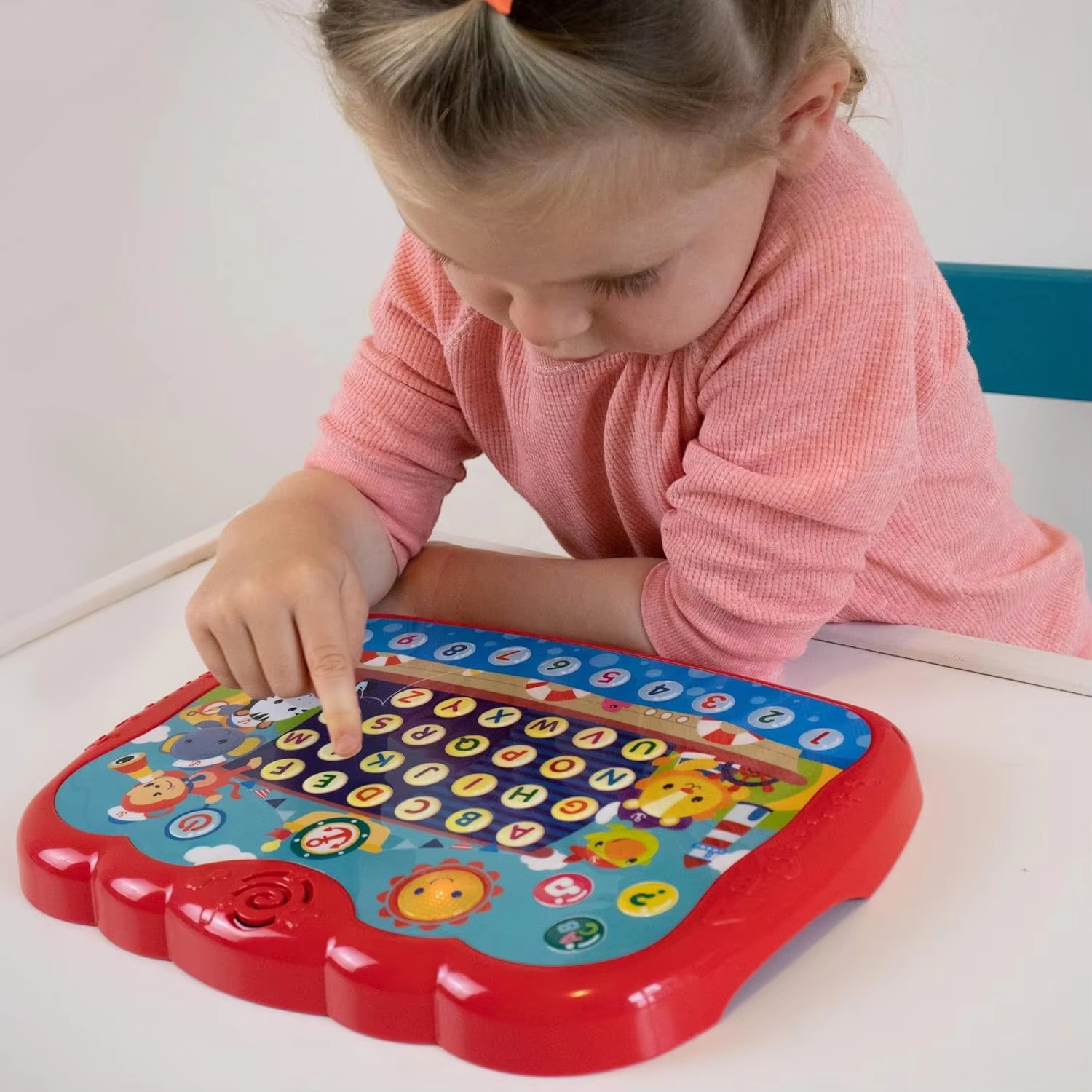
Physical Safety: Designing Smart Early Learning Toys for Young Children
Compliance with CPSA, ASTM F963, and CPSC Standards
For smart learning toys aimed at young kids, there are some pretty strict safety requirements that manufacturers need to follow. These include things like the Consumer Product Safety Improvement Act or CPSIA, plus ASTM F963 which deals with mechanical dangers and physical risks, along with various rules from the CPSC. The testing process checks for harmful substances, how well the toy resists catching fire, and whether it holds together after being played with over and over again so it doesn't break apart into dangerous pieces. What's really important here is that any product following CPSIA guidelines gets checked by independent labs to make sure lead levels stay below 100 parts per million. This matters a lot because toddlers tend to put everything in their mouths when they're exploring the world around them, according to research published by the CPSC back in 2023.
Age-Appropriate Engineering: Mitigating Choking, Magnet, and Button Battery Risks
Design focused on safety gets rid of any small parts smaller than 1.25 inches when it comes to kids under age three. The Consumer Product Safety Commission actually tests these with their special cylinder tool to make sure nothing tiny can come loose. Toys meant for anyone under 14 years old must not contain magnets stronger than 50 kG squared per mm squared according to regulations. These powerful magnets pose serious dangers inside the body if accidentally swallowed by little ones. For batteries, manufacturers need to secure compartment covers with screws that meet ASTM F963-17 requirements so no one can reach those little lithium cells easily. This rule makes sense considering what happens when someone swallows a button battery. According to data from 2022, such accidents can lead to severe burns in the throat area within just two hours after ingestion.
Thermal, Acoustic, and Enclosure Safety in Connected Play
Toys with built-in electronics come with multiple safety features designed to protect children. For instance, these toys have temperature sensors that keep surfaces from getting hotter than 45 degrees Celsius while they charge. The speakers are also set to stay below the CDC's recommended noise level of 85 decibels for prolonged listening. When it comes to the outer casing, manufacturers use special vented materials that don't conduct electricity and meet UL 696 standards. This helps keep all the internal parts cool even after hours of playtime. Another important feature is the reinforced ports which can handle pulling forces greater than 4.4 Newtons. This design prevents wires from coming loose, something that could be dangerous especially in interactive toys meant to help kids develop their motor skills through touch and movement.
Data Privacy and Security for Smart Early Learning Toys
COPPA Compliance and Transparent Data Handling in AI-Powered Toys
When it comes to smart toys for young kids, makers need to follow COPPA rules which means getting clear permission from parents before gathering any personal info from children under thirteen years old. Most top companies are pretty transparent about what they actually collect - things like recordings of kids talking or patterns in how they respond during play sessions - and explain how this helps improve educational results. These firms stick to something called data minimization practices. Basically, they keep only what's absolutely necessary, make sure all data gets stripped of identifying details when analyzed, and never connect it back to specific users. Parents can check on everything through dashboard interfaces that let them manage how long data stays stored. Plus there are ongoing checks by outside experts who verify both the security measures protecting the data and whether the algorithms work as intended without bias.
Vulnerability Mitigation: Securing Audio Streams, Firmware, and Cloud Connections
Smart learning toys for young kids need strong protection when it comes to their data. That's why end to end encryption wraps around every bit of information sent between the toy and wherever it goes. The audio recordings get locked down using something called AES-256 right from when they're captured until they reach their destination, making sure no one can listen in on private moments. When these toys receive software updates, they check digital signatures first before accepting anything new, stopping bad actors from messing with important functions. Connecting to clouds happens through secure channels like TLS 1.3 plus tokens that act as temporary passcodes. Physical protection matters too - special casings make it hard for anyone trying to tamper with sensitive parts like microphones or internet connections. Regular automatic patches keep everything working even when updates happen, which is pretty crucial stuff. According to recent studies by the FTC, about two thirds of problems with internet connected gadgets come from poorly secured application programming interfaces. So building devices based on what experts call "zero trust" makes total sense for products meant for our little ones.
Privacy-by-Design: Hardware Controls and Intentional IoT Architecture
Physical Privacy Switches for Cameras, Microphones, and Location Sensors
Physical privacy controls like mechanical camera shutters, mic kill switches, and GPS blockers offer parents real, hands-on confidence that their kids' gadgets can't be collecting data behind their backs, even if something goes wrong with the software. These kinds of hardware protections actually help meet what COPPA asks for when it comes to getting proper permission from parents. Just pushing a shutter across the camera lens gives clear visual proof that surveillance is off. Some studies looking at similar tech in hospitals found that physical barriers cut down security risks by around 80 percent compared to relying solely on software fixes. Makes sense really - sometimes the simplest solutions work best for keeping sensitive information safe.
Minimizing Data Collection Through On-Device AI and Local Processing
Smart IoT systems focus on doing most processing right where it happens. The device itself handles tasks like voice recognition, gesture detection, or pattern analysis without sending all that raw audio or video up to the cloud somewhere. With this approach of processing locally and sharing just what's needed, there's no need to keep sensitive info hanging around on company servers. Plus, responses happen faster since we don't wait for cloud round trips, which makes everything feel more natural during interactions. And when it comes to security risks? They drop significantly because only generic summaries get sent out occasionally. Think things like "language skills improved about 15%" rather than actual recordings. There's also something called federated learning that lets devices work together to improve models without ever sharing private details between them. This cuts down how much personal data gets passed around to outside parties by roughly 90 percent according to some studies.
Bridging Regulatory Gaps to Empower Parents of Smart Early Learning Toys
Smart learning toys for young kids face a patchwork of regulations that leaves most parents scratching their heads when it comes to safety and privacy issues. Sure, laws like CPSIA and COPPA set some basic rules, but these don't really cover all the new dangers coming from AI analysis or constant internet connections. The problem is, parents just don't have good tools to check if what manufacturers say about security is true, or figure out what happens to facial recognition data or behavior tracking info after purchase. What we need are clearer standards across the industry. Let's start with regular security checks by outside experts, mandatory switches to disable sensors physically, and simple explanations about how long data stays stored and who can delete it. When toy labels actually show both safety features and privacy protections (and someone independent confirms them), parents can finally shop with some peace of mind. Getting lawmakers, teachers, and tech creators around the table now could help fix these holes in regulation before more children end up exposed to unnecessary risks while still benefiting from quality educational products.
FAQs
What safety standards should smart early learning toys comply with?
Smart early learning toys should comply with CPSA, ASTM F963, and CPSC standards, ensuring no harmful substances, fire risks, or dangerous breakable components are present.
How can choking hazards be mitigated in toys for young children?
Manufacturers design toys without small parts (less than 1.25 inches in diameter) for children under three, ensuring components don't accidentally detach.
What are the privacy concerns for AI-powered toys?
These toys must comply with COPPA regulations, minimize data collection, and provide transparency about data storage and usage to ensure child data safety.
How do physical privacy switches help secure smart toys?
Switches like mechanical camera shutters and mic kill switches prevent unauthorized data collection, offering an extra layer of privacy protection.
How is data processed locally to minimize privacy risks?
On-device AI handles voice and gesture analysis locally, ensuring sensitive data isn't sent to the cloud, thus reducing security risks.