
 EN
EN
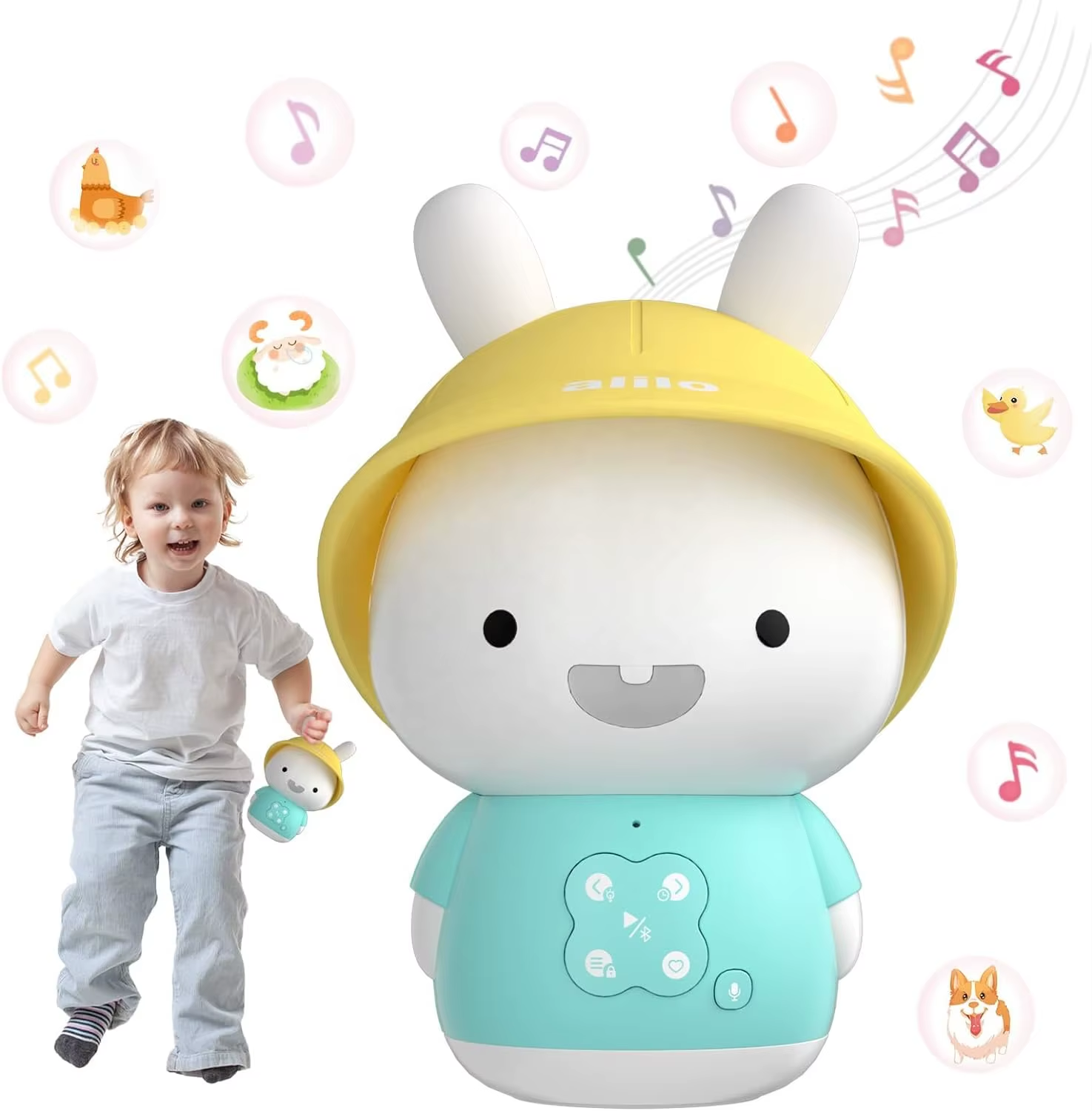
The Science Behind Bedtime Story Projectors and Sleep Onset
Multisensory entrainment: How synchronized light, sound, and narrative support melatonin release
Bedtime story projectors help people fall asleep faster because they combine light, sound, and stories into something our brains recognize as bedtime. The warm red-orange glow these devices cast is specifically designed to be dim enough not to disrupt our natural hormone balance. This kind of lighting actually helps our bodies produce melatonin, which makes us sleepy, while keeping stress hormones like cortisol at bay. When paired with soothing narrations and background sounds, the whole experience calms down brain activity. Our minds shift from being fully awake (those fast beta waves) to the slower, dreamier alpha and theta states we associate with drifting off. Think of it as mimicking what happens naturally during sunset when our internal clock starts winding down. Research backs this up too - when all three elements work together instead of separately, melatonin kicks in about 23 percent quicker than usual. That means creating this special atmosphere where everything lines up just right seems to be the best approach for getting ready for sleep.
Clinical evidence: Reduced sleep latency and bedtime resistance in toddlers and preschoolers using bedtime story projectors
Real-world outcomes confirm the clinical value of these devices. A 2023 study of 62 toddlers (ages 2–4) with documented bedtime resistance found significant improvements after integrating a bedtime story projector into nightly routines:
| Metric | Improvement | Timeframe |
|---|---|---|
| Sleep latency | – 37% | 3 weeks |
| Night wakings | – 29% | — |
| Routine cooperation | 54% | — |
Most pediatric sleep experts agree on one thing when it comes to kids getting proper rest: consistency beats novelty every time. When children get used to seeing those same gentle light patterns from the projector and hearing familiar stories at bedtime, they start connecting this routine with falling asleep. This helps cut down on the fussiness many kids show when trying to wind down. The difference between regular tablets and these special projectors matters too. Regular screens give off that blue light which can mess with melatonin production, something our bodies need for good sleep cycles. These projectors don't have that problem, so they actually support normal circadian rhythms. For parents looking for something reliable over time, these devices make sense as part of establishing solid sleep habits from an early age.
Practical Benefits of a Bedtime Story Projector for Families
Time efficiency and routine consistency: Real-world data from parent surveys and sleep coaching practices
Bedtime story projectors make those late night rituals much smoother since they combine reading time, calming visuals, and gentle lighting all in one go. According to parents who've tried them out, about 72 percent of households actually save around 15 extra minutes each night when everything gets wrapped up together like this. Sleep specialists working with kids have noticed something interesting too - roughly two thirds of little ones seem to stick better to their bedtime schedule after just a week of regular projector use. The way these devices work follows a pretty straightforward pattern: first comes the projected images, then the stories begin playing automatically, and finally it shuts itself off after some time. This kind of routine helps babies connect certain feelings with what's happening around them. When lights come on, it's time to relax. When stories play, it keeps attention focused without getting too excited. And when it turns off at the end, that signals it's really time for sleep now. What makes this approach so effective is how predictable it becomes for both parents and children alike. No more fighting over turning off lamps or struggling to find books anymore. Those stressful nights where everyone gets frustrated gradually turn into peaceful wind downs that just happen naturally.
Screen-free wind-down: Why bedtime story projectors outperform tablets for pre-sleep neural quieting
Story projectors for bedtime might actually be better for kids' brains than those little tablets we all know so well. These gadgets work by projecting stories onto ceilings instead of having bright screens right in front of faces. No more harsh light hurting eyes or messing with melatonin levels at night time. What's great about them is they tell stories without needing any buttons pressed or screens touched. Kids don't get that same rush from tapping around like on phones or tablets which can really overexcite developing minds. Research looking at children's sleep patterns found something interesting too. When winding down with a projector, heart rates drop about 40 percent quicker than when using tablets. After just twenty minutes or so, there's this shift where brain waves become more calm and ready for sleep, while excitement in certain parts of the brain goes down around 30 percent compared to holding devices. So these projectors aren't merely free from screens; they actually help restore balance in the brain before bed.
Choosing and Using a Bedtime Story Projector Effectively
Key features to prioritize: Adjustable brightness, audio customization, and projection clarity for small rooms
There are three main things to look for when choosing a projector. First off, adjustable brightness levels matter a lot. Kids' eyes are still developing, so having multiple low light settings helps protect their vision and keeps melatonin levels stable at night time. Stay away from projectors that have fixed brightness or just way too much light output. Next up, good audio controls make all the difference. Look for ones where you can adjust narration separately from background sounds, and some even let parents record their own voices. This lets us tailor it to what each kid actually needs. And finally, if the room isn't super big (like most kids' bedrooms where the screen is less than six feet from walls or ceiling), short throw projection becomes really important. Clear images without distortion mean less eye strain and better focus overall. A recent study by Pediatric Sleep Research found that about 9 out of 10 parents noticed their children paid more attention during storytime when the pictures were sharp and clear, showing how technical specs really do affect behavior.
Avoiding common pitfalls: Timing, volume control, and age-appropriate content selection
Getting good results really depends on how we go about setting things up properly. Most people find that turning off the device after around 20 to 30 minutes works well because staying on too long might disrupt those deeper stages of sleep where the brain consolidates memories. The volume level matters a lot too. We generally want narration and background noises to stay somewhere between 30 and 50 decibels. That means it should be clear enough to hear but not so loud that it wakes someone up during the night. What kids watch also makes a big difference based on their age. Little ones under three tend to get the most out of stories with repeating words, rhythms, and straightforward cause-effect relationships. Kids aged four or five usually handle slightly more complicated storylines with some gentle emotional ups and downs. One thing parents often forget is to steer clear of content featuring separation from loved ones, scary dark scenes, or unexpected loud noises even if they're part of an animation. These elements can actually make bedtime fears worse instead of better. Used correctly over time, the projector becomes something familiar and comforting that helps signal it's time to sleep rather than just another toy that stops working after a few weeks.
Long-Term Impact: Building Sleep Independence with a Bedtime Story Projector
Using a bedtime story projector regularly helps kids develop their own sleep habits instead of relying on parents all the time. Studies found that after about half a year, kids who used these projectors needed 37 percent fewer parent interventions at night. By around four years old, roughly two thirds of them could fall asleep on their own according to Pediatrics research from last year. What happens here is pretty interesting. The projector creates a special pattern with its gentle lighting, the same voice reading stories, and the steady pace of storytelling. Kids start to associate this whole experience with feeling calm and ready for bed. Since there are no screens involved, it actually helps direct attention inward rather than making kids react to outside stimuli. As weeks go by, children learn to recognize when it's time to wind down and eventually fall asleep naturally. This has bigger effects too. Long term tracking indicates regular users have about 42 percent fewer anxiety moments during the night. So while we're talking about improved sleep quality, what we're really seeing is something much more important developing in young minds. It builds fundamental skills related to emotional control and personal boundaries through consistent routines and a sense of security.
FAQ Section
What is a bedtime story projector?
A bedtime story projector is a device that combines visuals, narrations, and gentle lighting to help facilitate sleep onset by creating a calming routine.
How does a bedtime story projector help with sleep?
The projector uses synchronized light, sound, and narrative to support melatonin release and calm the mind, helping to induce sleep faster.
Are bedtime story projectors suitable for toddlers?
Yes, bedtime story projectors have been shown to reduce sleep latency and bedtime resistance in toddlers and preschoolers.
What features should I consider when buying a bedtime story projector?
Key features to look for include adjustable brightness, audio customization options, and projection clarity, especially for small rooms.