
 EN
EN
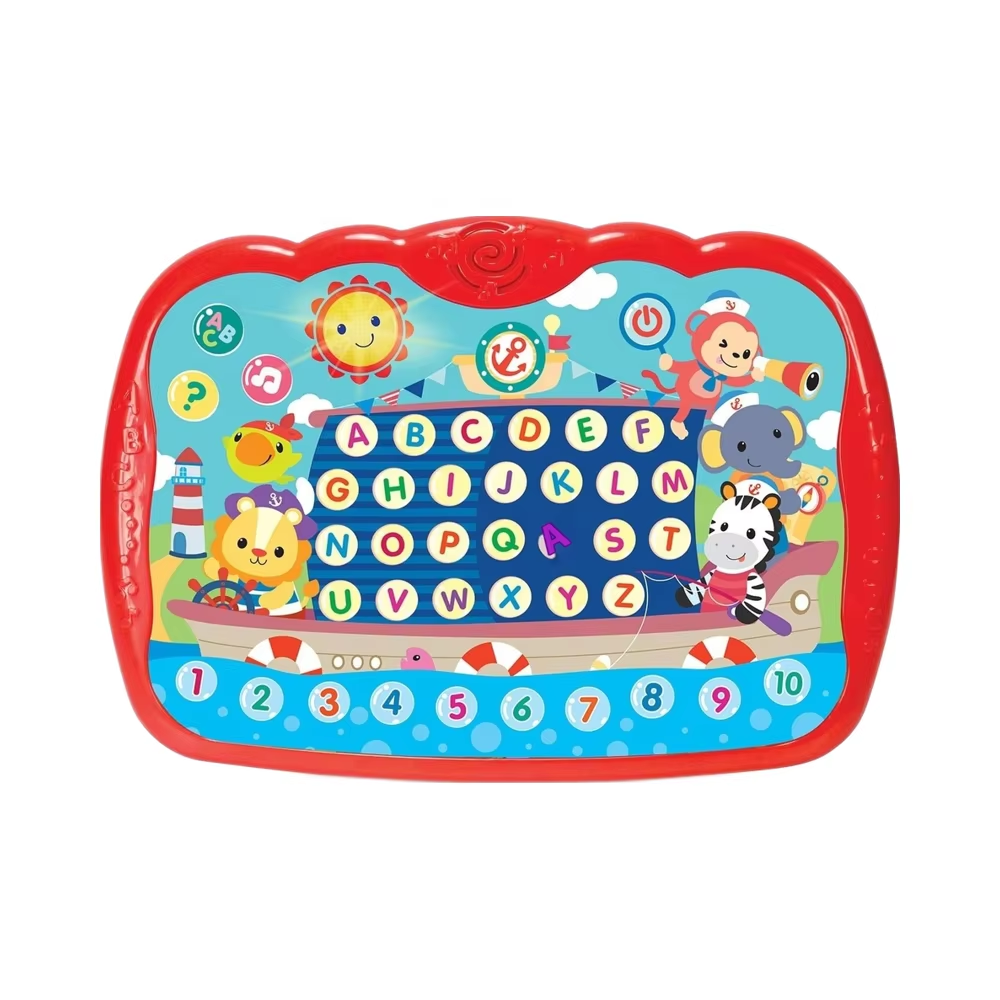
Interactive Multisensory Learning for Cognitive and Sensorimotor Development
How voice, touch, and motion sensing create engaging cognitive stimulation in smart early learning toys
Smart learning toys for young kids now come equipped with voice recognition tech, touch sensitive areas, and motion sensors that help boost brain development. Kids who talk to these interactive characters are actually working on their language abilities while learning how things work together. The touch screens require careful finger movements which helps develop those small hand muscles, and moving the toy around by tilting or shaking it builds better sense of space. All these different ways of interacting lead to problem solving activities that change based on what the child does, helping them remember things better and think through problems over time. Some toys combine sounds with actual touching parts, like when lights come on as blocks snap together, and this kind of combination really helps build connections in the brain related to paying attention and following steps properly.
Integrating sight, sound, and tactile feedback to support multisensory development in preschoolers
Multisensory learning works best when it brings together what kids see, hear, and touch all at once. Bright colors paired with storytime really helps little ones connect spoken words with pictures in their minds, which builds those early vocabulary skills. Touch matters too. Kids who play with different textures or feel vibrations while learning something new actually get better at telling sensations apart and understanding them faster. Think about those toys that make noise when they count to ten and then jump around. That kind of activity teaches babies how sounds relate to actions, something super important for things like holding a pencil properly later on. Studies indicate that when multiple senses are involved during learning, people remember stuff about 40 percent longer than if they only used one sense. Makes sense really, since our brains naturally wire themselves based on these combined experiences.
AI-Powered Personalization to Match Individual Learning Paces and Milestones
Adaptive algorithms in smart early learning toys that evolve with a child's cognitive and motor development
Modern educational toys for young kids actually incorporate machine learning tech to watch how children interact and then change what they offer on the spot. These smart devices keep tabs on important developmental markers like when babies start recognizing shapes or improving their hand-eye coordination skills. Take shape sorting for example most toddlers find it challenging at first but the toy might switch gears introducing easier puzzle pieces instead. At the same time it keeps working on basic ideas using sounds colors and textures to help them learn better. What makes these toys special is how they adapt constantly creating customized learning experiences that match exactly where each little one happens to be in their growth journey.
Balancing AI personalization with natural developmental variability in early childhood
Adaptive tech can be pretty precise, but it needs to handle those natural ups and downs kids go through when they're learning new things. Most kids hit their developmental markers anywhere from 6 to maybe 9 months apart according to some research published last year. So the algorithms behind these systems shouldn't jump to conclusions when a kid hits a plateau for a while. Good design actually mixes free play with more structured activities, giving kids space to explore without feeling pressured all the time. Finding this middle ground helps different types of brains develop properly and keeps kids interested longer because the challenges match what they're ready for at any given moment, whether they're zooming ahead or just consolidating what they've learned recently.
Gamified Engagement That Builds Motivation and Emotional Skills
Immediate, supportive feedback loops in smart early learning toys for sustained attention
Early learning toys that incorporate game-like features help keep little ones engaged because they offer quick rewards when kids do something right. When a child matches shapes correctly or finishes a puzzle, the toy responds with happy noises, bright lights, or words like "Way to go!" These instant rewards tap into our brain's natural response system, which makes kids want to keep trying. According to research from industry experts back in 2025, this kind of interactive feedback actually boosts how long children stay interested in playing with these toys by almost half compared to regular toys that don't respond at all. The best part is that these smart toys break down complex tasks into smaller steps that build on each other over time. This approach helps prevent those frustrating moments when kids give up too easily, teaching them valuable lessons about sticking with things even when they get tough something that will serve them well throughout their education journey.
Using responsive characters and collaborative play to foster social-emotional learning
Smart toys today come with interactive characters and multiplayer options that help kids develop emotional smarts. Some plush toys actually respond when hugged, saying soothing things or walking little ones through situations where they need to share or be kind. When kids work together on tasks like feeding a digital animal or putting puzzles together to reveal stories, they learn how to get along better and manage their feelings. Studies suggest that preschoolers who play with these kinds of toys tend to show about 30% improvement in working with others at school, which indicates that making learning fun really does boost both social skills and brain development over time.
Blending Physical Play with Digital Interaction to Boost Language and Creativity
Smart toy features that connect hands-on play with virtual storytelling and creative expression
Early learning toys that combine hands-on play with digital storytelling help boost language skills and spark creativity in young kids. When little ones use physical puppets along with interactive story apps, they get to move around characters and come up with their own stories, which helps build those all important sequencing abilities and expands their vocabulary. Some studies indicate that mixing these approaches actually boosts vocabulary growth by around 45% compared to just playing on screens alone. The magic happens when abstract concepts become real things kids can touch and interact with. Take building blocks for instance they can open up whole new augmented reality worlds where children tackle spatial puzzles through talking and thinking, which teaches them about cause and effect in a fun way. Letting kids record their own stories with toy props really helps them understand how stories are put together and express emotions better. We've seen time and again that this back and forth between physical and digital play improves how children grasp metaphors and think through problems differently because they start by acting things out in real life before moving those ideas into digital space.
FAQ Section
What are the benefits of interactive smart toys for children?
Interactive smart toys boost children's language abilities, develop motor skills, enhance spatial awareness, and improve problem-solving skills by integrating voice, touch, and motion sensors in play.
How does multisensory learning aid in brain development?
Multisensory learning enhances early vocabulary, improves sensory differentiation, and increases retention by involving sight, sound, and touch, wiring the brain through integrated experiences.
How do AI-powered toys adapt to a child's development?
AI-powered toys use adaptive algorithms to personalize learning, adjusting challenges to match a child's cognitive and motor skill milestones, thus providing customized growth experiences.
Why is gamification important in early learning toys?
Gamification keeps children engaged through immediate feedback and rewards, extending playtime focus and teaching persistence and task breakdown, essential skills for learning progression.
How do smart toys enhance social-emotional learning?
Smart toys with interactive characters and collaborative features promote emotional intelligence and teamwork by guiding children in sharing, kindness, and cooperative tasks.
Table of Contents
- Interactive Multisensory Learning for Cognitive and Sensorimotor Development
- AI-Powered Personalization to Match Individual Learning Paces and Milestones
- Gamified Engagement That Builds Motivation and Emotional Skills
- Blending Physical Play with Digital Interaction to Boost Language and Creativity
- FAQ Section