 EN
EN
Why Interactive Point-and-Read Picture Books Resonate with Toddlers
How tactile and responsive features align with toddler developmental milestones
Touchy-feely stuff matters a lot for little kids growing up. Textured pages in books and those fun sound buttons really help toddlers develop their motor skills because they stimulate different parts of the brain all at once. Kids who press buttons or lift flaps while listening to stories pick up new words about 34 percent faster than just sitting there listening quietly, according to research from the Early Literacy Consortium back in 2023. The combination of touching things and hearing them talk actually builds stronger brain connections needed for understanding language. And it turns out movement helps memory too. Studies have found that children remember what happens in stories around 30% better when they're doing something physical along with listening. Makes sense really, since our brains work best when we engage multiple senses together.
The role of agency and cause-effect learning in early engagement
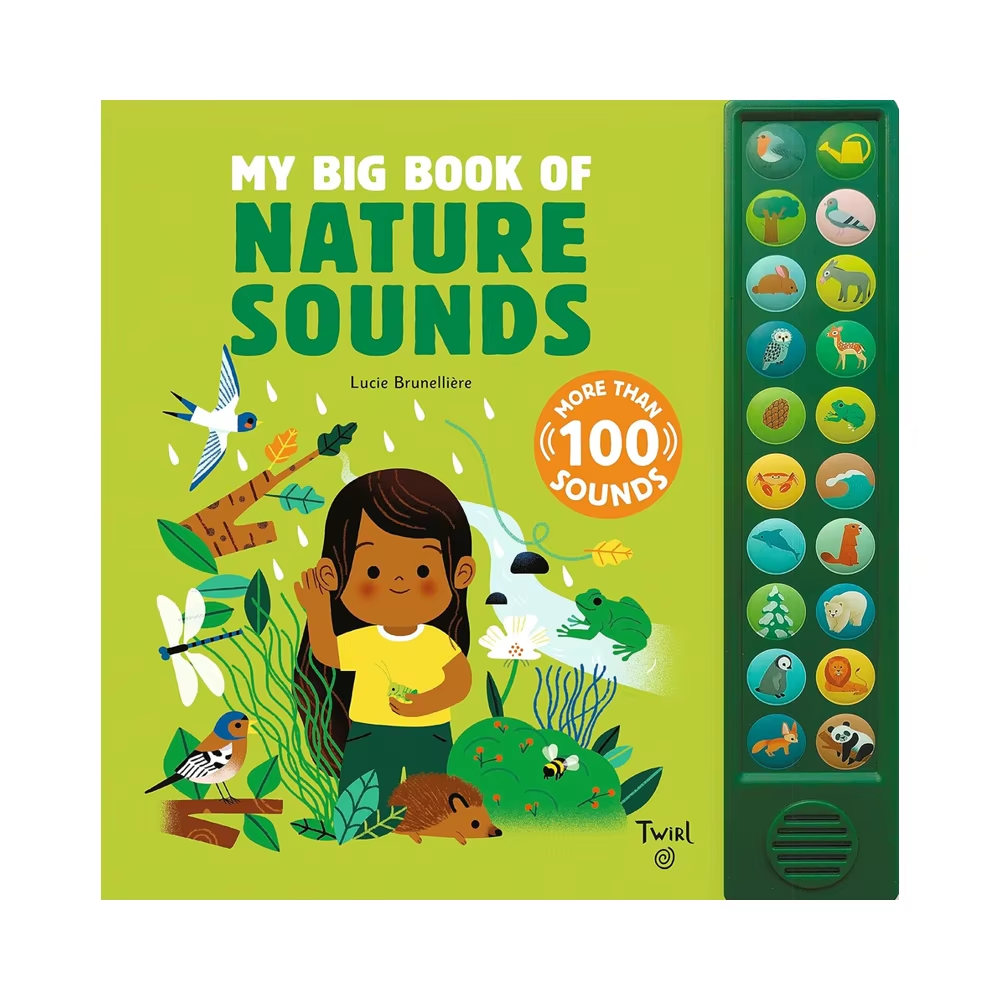
Interactive point-and-read picture books turn toddlers into active participants, transforming reading into a dynamic discovery process. By triggering responses—like animal sounds or revealing hidden images—children experience immediate feedback that reinforces cause-effect understanding. This interaction cultivates:
- Cognitive agency: Making choices (“Should I lift this flap?”) builds early executive function
- Predictable reinforcement: Consistent outcomes help establish secure, repeatable learning patterns
- Verbal engagement: Pointing invites caregivers to label objects, accelerating expressive language development by 2.3 months compared to static books
This sense of control fosters confidence and turns storytime into a shared dialogue, where toddlers co-create the narrative through exploration.
Core Interactive Features That Drive Popularity and Learning
Lift-the-flap, pull-tab, and pop-up mechanics in interactive point-and-read picture books
When kids get their hands on interactive books, reading becomes something they can actually do rather than just look at. Those lift-the-flap parts create excitement because things are hidden then shown again, and pull tabs bring scenes to life - think frogs that jump around or doors that slide open and shut. Pop ups are another favorite since they pop right out of the page creating this cool 3D effect that grabs little eyes. Toddlers love these kinds of books because playing with them helps develop those small hand muscles needed for writing later on, plus it teaches them about what happens when they push or pull something. A study from Early Literacy Journal back in 2023 found that kids engage with these types of books about 70 percent more than regular picture books. Basically, each page turns into a fun activity where babies and toddlers satisfy their natural urge to ? everything as they learn how the world works.
Sensory-rich elements: textures, sounds, and visual repetition for pointing and verbalization
When kids engage multiple senses at once, their language skills tend to develop much quicker because they connect what they feel with what they hear and say. Books with different textures are really helpful here. Think about those soft duck pages or rough bark sections that let little hands explore while learning words. Then there are the sound buttons too. Kids love pressing them to hear animal noises or bells ring out, which gets them talking back and experimenting with their voices. Visual patterns matter a lot as well. When stories repeat the same characters or settings over and over, toddlers start recognizing things on their own. They'll point at objects and try to name them without help. All these sensory experiences work together in the brain to link touch, sound, and speech. Research from Child Development Review in 2022 found that babies who used these kinds of books picked up new nouns about 45% faster than others. The predictability helps build confidence too, since kids get a sense of accomplishment when they recognize something familiar in the story.
Design Lessons from Top-Selling Interactive Point-and-Read Picture Books
'Where's Spot?' and 'Dear Zoo': How simplicity, predictability, and physical interactivity build toddler confidence
Books such as Where's Spot? and Dear Zoo show just how effective simple designs can be at keeping kids engaged. These stories rely on their repeated lift-the-flap format that builds familiar patterns for little ones to follow along with. Toddlers start to figure out what comes next when they see those flaps, which gives them a real sense of accomplishment each time they find Spot hiding somewhere or discover another animal in the zoo. The act of physically interacting with the book while reading helps develop both motor skills and brain connections at the same time. Some studies suggest kids remember stories from interactive books around 90 percent better than regular picture books according to LinkedIn data from last year. Still, not everyone agrees on exactly why this happens, but most parents would probably say it's worth trying anyway.
Key design principles include:
- Limited options per page to prevent cognitive overload
- High-contrast illustrations that guide accurate pointing
- Reinforced flaps built to endure repeated use
These intentional constraints focus attention on core interactions, helping toddlers master basic mechanics. By turning reading into achievable challenges, such books foster confidence and enthusiasm—essential for sustaining early literacy engagement.
Emerging Innovations and Sustainable Design in Interactive Point-and-Read Picture Books
Augmented reality enhancements that extend—not replace—physical interaction
Augmented reality or AR for short is making those interactive point and read picture books even better. The technology puts digital stuff right on top of the actual book pages while keeping all the touching parts intact. Little kids who point at pictures get to see things happen in real time. Point at a cow? It moooooos back. Tap a star? Watch it twinkle like magic. These little surprises help them learn words and understand what they're looking at. Studies have found that when kids use their senses in multiple ways, they remember things about 40 percent better than just reading regular books according to some research from Early Childhood Research Quarterly last year. What makes this really work though is that AR doesn't take away from the physical aspects of reading. Book flaps still open up, different textures can be felt through fingers. Motor skills development remains important because children are still moving their hands and bodies as they explore these enhanced stories.
Eco-conscious materials and durable construction for high-use toddler environments
More publishers are turning to tough, green materials these days because toddlers can be pretty hard on books and parents care about what goes into their kids' hands. Take recycled cardboard that's been made thicker at around 2mm so it won't tear easily, plus those plant-based inks that cut down environmental harm by roughly two thirds according to Green Publishing Initiative numbers from last year. What makes these changes work? The books still have all the important stuff babies love touching and feeling. There are soft organic cotton patches they can grab onto, and those little tabs that pop out and back in again thousands of times without breaking. When publishers mix durability with being good for the planet, the result is storybooks that survive even the toughest play sessions. And this fits right into what many families want now - products that protect both the environment and learning opportunities for young minds.
FAQ
Why are interactive point-and-read picture books beneficial for toddlers?
These books promote language development, motor skills, and memory through tactile and sensory engagement, making learning a fun and dynamic process.
What are some core features of these interactive books?
Lift-the-flap, pull-tabs, pop-ups, textures, and sound elements are key features that enhance engagement and learning.
How do augmented reality (AR) elements enhance these books?
AR elements add digital enhancements while preserving the physical interaction, boosting memory and engagement through multisensory involvement.
How are these books made sustainable?
They are crafted from recycled materials, feature plant-based inks, and are designed to be durable, ensuring they are environmentally friendly and withstand robust use.