
 EN
EN
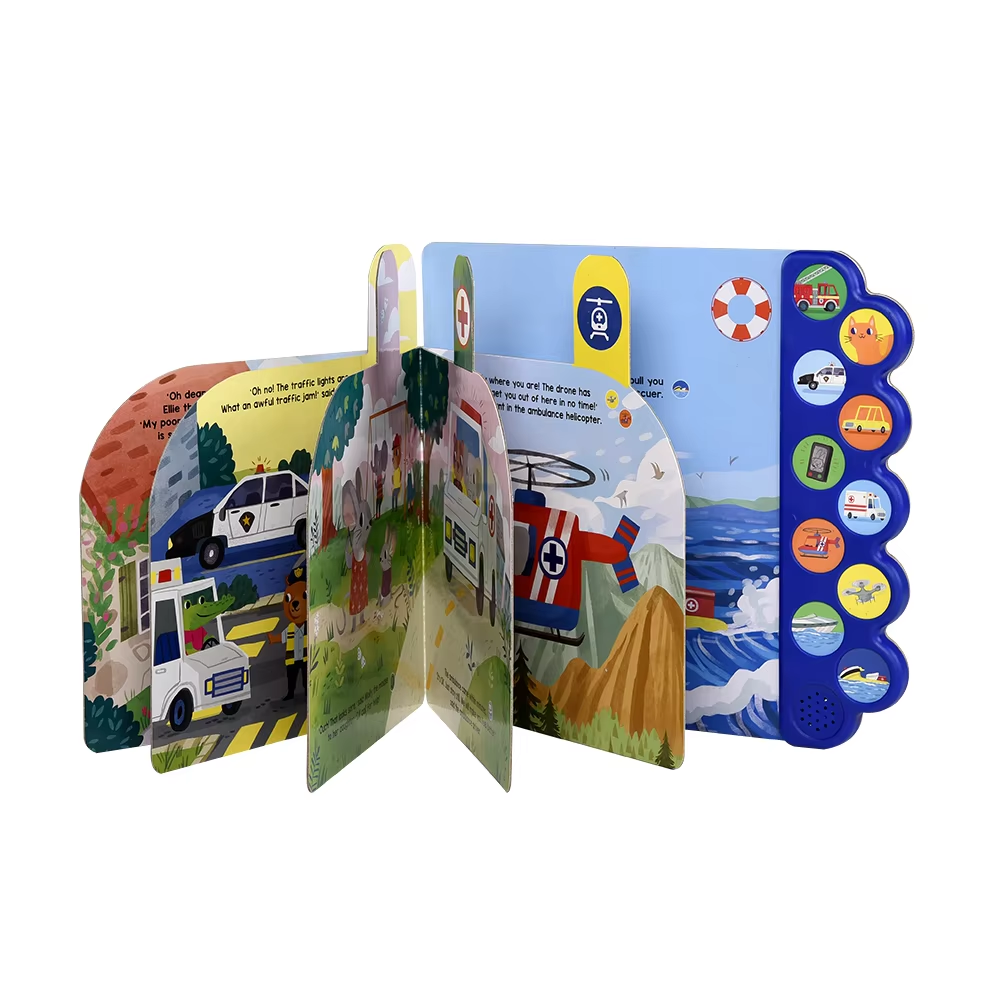
Relaciona els llibres d'àudio per a nens amb els dominis fonamentals del desenvolupament preescolar
Desenvolupament de la comprensió auditiva i del processament auditiu (edats 3–5)
Els llibres d'àudio per a nens de gran qualitat reforcen les habilitats fonamentals d'escolta durant aquesta etapa crítica del desenvolupament. A mesura que els nens d’educació infantil segueixen històries narrades, practiquen la descodificació dels ritmes de la parla, distingeixen les veus dels personatges i recorden esdeveniments seqüencials: components clau del processament auditiu. La recerca longitudinal mostra que l'exposició estructurada a continguts sonors augmenta la capacitat de memòria auditiva un 30 % (Journal of Early Literacy, 2021). Trieu títols amb una dicció clara, pausas intencionades i efectes sonors deliberats que donin suport —i no sobrecarreguin— la comprensió. Les frases repetitives i els patrons previsibles ajuden els nens a anticipar les estructures lingüístiques, transformant l’escolta passiva en una escolta activa.
Ampliació del vocabulari mitjançant una exposició intencionada i basada en la recerca a continguts sonors
Els llibres d'àudio seleccionats amb cura acceleren el creixement del vocabulari exposant els nens d’educació infantil a un llenguatge ric i contextualitzat, més enllà de la conversa quotidiana. Els títols eficaços presenten:
- Vocabulari acadèmic de nivell 2 (p. ex., «examinar», «ordenar»)
- Termes conceptuals explicats de forma natural mitjançant la narració
- Expressions i sinònims culturalment diversos
L’exposició repetida a paraules desconegudes en format d’àudio millora la retenció un 40 % respecte a la informació només visual (Early Childhood Research Quarterly, 2022). Doneu preferència a contes amb un ritme dialògic que inclogui temps de processament, permetent als petits oients assimilar i interioritzar el nou llenguatge.
Reforç del raonament narratiu i de l’estructura imaginativa
Els llibres d’àudio cultiven de manera única la cognició narrativa, ja que requereixen que els nens construeixin imatges mentals únicament a partir del so. Això reforça:
- La predicció de l’estructura narrativa (p. ex., acció ascendent, clímax)
- La interpretació de la motivació dels personatges a través del to vocal
- El raonament espacial quan es visualitzen els escenaris
- Creació creativa d'escenaris del tipus «i si...?»
Els formats d'àudio sense il·lustracions són especialment eficaces en aquest context: els nens han de construir mentalment les imatges en lloc de basar-se en les il·lustracions. Les històries amb capes successives i seqüències clares de causa-efecte desenvolupen el raonament alhora que estimulen la imaginació, un doble benefici associat a un augment del 22 % en els indicadors de preparació per a l’educació infantil (Child Development Perspectives, 2023).
Avaluar la qualitat de la narració i la fidelitat cognitiva en els llibres d’àudio per a nens
Modulació de la veu, ritme i ressonància emocional per mantenir l’engagement
La narració professional utilitza tècniques vocals intencionades per mantenir l’atenció dels nens d’edat preescolar. Un ritme òptim —d’aproximadament 3–4 segons per frase— recolza el processament cognitiu, mentre que la variació del to senyalitza el context emocional i ajuda a la comprensió. Una entonació expressiva augmenta l’engagement un 62 % respecte a la narració monòtona (Early Childhood Research Quarterly, 2023). Les pauses estratègiques després del vocabulari clau reforcen la retenció; els tons càlids i ressonants recolzen la lliberació de dopamina, ajudant a mantenir la concentració durant sessions de 10–15 minuts. Eviteu veus robòtiques o excessivament estilitzades, ja que interrompen els patrons de parla naturals essencials per a la cartografiat fonològica i l’activació del còrtex prefrontal.
Fidelitat textual i alineació amb les millors pràctiques emergents en alfabetització (NAEYC, 2022)
La preservació autèntica de la llengua és essencial: les versions resumides debiliten l’adquisició del vocabulari i minven el raonament narratiu. Seleccioneu edicions sonores que reflecteixin exactament el text original, especialment important quan es combinen amb llibres físics per reforçar la consciència de la lectura impresa. Doneu prioritat a les gravacions alineades amb les normes de literacià emergent de la NAEYC: la sintaxi repetitiva construeix previsibilitat, les pausos fonèmiques subtils posen d’relleu els sons inicials i el diàleg culturalment autèntic reforça la identitat. En entorns d’escolta compartida, el 78 % dels educadors van observar una consciència més forta dels conceptes impresos quan la narració coincidia exactament amb les paraules escrites (Journal of Early Childhood Literacy, 2023). Eviteu les veus sintètiques que distorsionin la prosòdia i el ritme, tots dos essencials per al desenvolupament lingüístic primerenc.
Doneu prioritat a la inclusió, l’accés i l’adequació a l’edat en els llibres sonors infantils
Suport sense pantalles per a aprenents diversos: dislèxia, TDAH i nens preescolars multilingües
Els llibres sonors ofereixen un accés equitatiu i sense pantalles a la lectoescriptura per a nens d’educació infantil amb neurodiversitat o amb diversitat lingüística. Per als nens amb dislèxia, desvinculen la descodificació de la comprensió, alliberant recursos cognitius perquè puguin implicar-se en la narració i en el vocabulari. Per als nens amb TDAH, la narració professionalment ritmada fomenta l’atenció sostinguda mitjançant indicadors vocals dinàmics. Els aprenents multilingües es beneficien de l’exposició repetida a un anglès contextualitzat i natural, reforçant la gramàtica, les expressions idiomàtiques i la pronunciació sense dependre de la traducció. De manera crucial, la selecció adaptada a l’edat evita la sobrecàrrega cognitiva i fomenta la confiança. Quan cada nen pot accedir significativament a les històries —sigui quina sigui la seva capacitat lectora, el seu perfil atencional o la llengua materna— construïm experiències de lectoescriptura inicial realment inclusives.
Integreu els llibres sonors infantils de forma fluida a les rutines diàries de l’educació infantil
Estratègies de codificació dual: escoltar mentre es dibuixa, es mou o es segueix el text físic
Les estratègies de codificació dual reforcen l'aprenentatge en activar simultàniament múltiples vies neuronals. Els nens d’educació infantil que dibuixen elements de la història mentre escolten integren el processament visual-espacial amb la comprensió auditiva, augmentant la retenció del vocabulari fins a un 35 % respecte a l’escolta passiva. La integració basada en el moviment —com ara representar físicament les accions dels personatges o ordenar cronològicament els esdeveniments de la història— vincula la coordinació motriu amb la comprensió narrativa. Per als lectors emergents, seguir el text imprès mentre s’escolta la narració reforça el reconeixement de lletres i la consciència de la impressió mitjançant una reforçament bimodal. Aquest enfocament multisensorial incrementa l’implicació un 40 % en tots els tipus d’aprenents, incloent-hi infants multilingües i neurodivergents (Early Childhood Research Quarterly, 2022). Integreu aquestes pràctiques en moments naturals de transició: cercles matinals d’escolta combinats amb dibuix, o sessions d’històries a la tarda seguides de la seva tornada a explicar mitjançant el moviment, creant així una integració coherent i de baixa fricció que s’ajusta al ritme del dia a l’educació infantil.
FAQ
Per què són beneficiosos els llibres en format d'àudio per als nens d’educació infantil?
Els llibres en format d'àudio ajuden els nens d’educació infantil a desenvolupar la comprensió auditiva, ampliar el vocabulari, reforçar el raonament narratiu i fomentar la imaginació mitjançant l’aprenentatge auditiu, oferint avantatges evolutius més enllà dels recursos visuals o només textuals.
Quins tipus de llibres en format d'àudio són més efectius per a l’aprenentatge?
Els llibres en format d'àudio efectius presenten una narració clara, un ritme intencional, un vocabulari ric i expressions culturalment diverses. Busqueu una emissió vocal ben modulada i una fidelitat al text sense retallar per obtenir el màxim benefici cognitiu.
Com poden ajudar els llibres en format d'àudio els alumnes neurodivers?
Per als alumnes neurodivers, com ara els nens amb dislèxia o TDAH, els llibres en format d'àudio desacoblen la descodificació de la comprensió i utilitzen un ritme professional i indicadors vocals per mantenir la concentració i facilitar l’aprenentatge.
Com poden integrar els mestres d’educació infantil els llibres en format d'àudio a l’aula?
Els mestres poden utilitzar estratègies de codificació dual, com escoltar mentre es dibuixa o seguir el text imprès, així com activitats basades en el moviment (per exemple, representar escenes) per millorar l’implicació i la comprensió durant les sessions de contes.
Els llibres sonors són adequats per a nens preescolars multilingües?
Sí, els llibres sonors beneficien els nens preescolars multilingües, ja que els proporcionen una exposició repetida a l’anglès contextualitzat i natural, ajudant-los a reforçar la gramàtica, les expressions idiomàtiques i la pronunciació.
El contingut
- Relaciona els llibres d'àudio per a nens amb els dominis fonamentals del desenvolupament preescolar
- Avaluar la qualitat de la narració i la fidelitat cognitiva en els llibres d’àudio per a nens
- Doneu prioritat a la inclusió, l’accés i l’adequació a l’edat en els llibres sonors infantils
- Integreu els llibres sonors infantils de forma fluida a les rutines diàries de l’educació infantil
-
FAQ
- Per què són beneficiosos els llibres en format d'àudio per als nens d’educació infantil?
- Quins tipus de llibres en format d'àudio són més efectius per a l’aprenentatge?
- Com poden ajudar els llibres en format d'àudio els alumnes neurodivers?
- Com poden integrar els mestres d’educació infantil els llibres en format d'àudio a l’aula?
- Els llibres sonors són adequats per a nens preescolars multilingües?