
 EN
EN
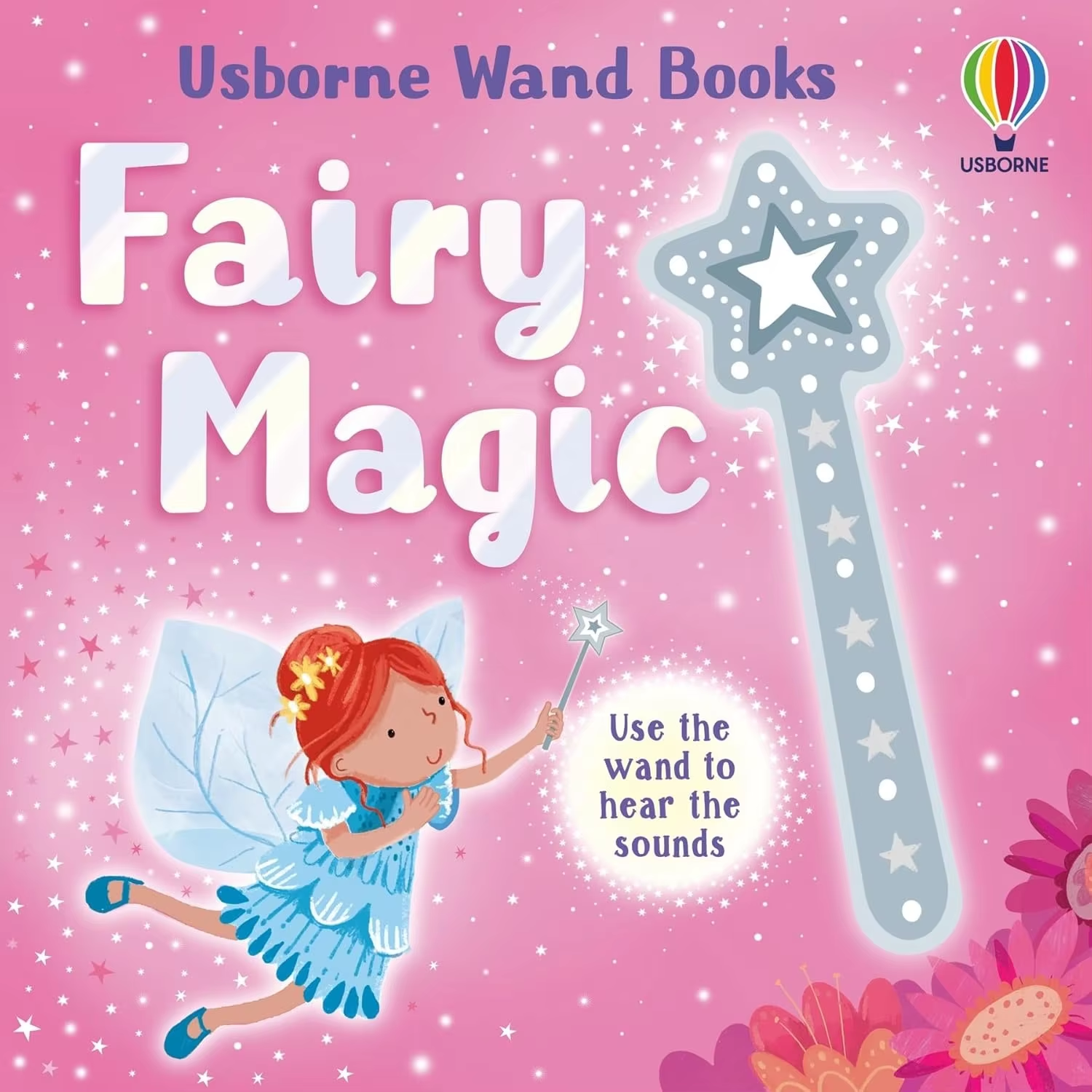
Accelerates Language Acquisition Through Targeted Auditory Input
Expanding vocabulary via interactive sound-picture matching
Interactive point-and-read books harness toddlers’ natural curiosity by pairing visual stimuli with precise auditory labels. When a child presses a button depicting an apple and hears “apple,” they forge direct neural connections between object, image, and word. This multi-sensory reinforcement—linking touch, sight, and sound—accelerates vocabulary acquisition by 34% compared to passive listening alone (Early Literacy Consortium, 2023). By transforming language learning from observation into active participation, these tools lay a robust foundation for expressive and receptive language growth.
Strengthening phonemic awareness with native-speaker pronunciation models
High-fidelity audio recordings provide consistent, accurate articulation—especially for subtle phonemic contrasts like “ship” versus “sheep”—that even highly engaged caregivers may unintentionally simplify or omit. Repeated exposure to native-speaker models strengthens phonological processing and builds the perceptual precision required for later decoding. Studies show children who regularly use pronunciation-accurate sound books make 27% fewer phonological errors by age four than peers without such input, underscoring how fidelity in early auditory modeling directly shapes speech clarity and readiness for literacy.
Building sentence-level comprehension using predictable, repetitive phrases
Talking early education sound books scaffold grammatical understanding through rhythmically structured, patterned language—such as “The dog runs,” followed by “The cat runs.” These controlled repetitions allow toddlers to internalize syntactic frames while gradually expanding vocabulary within familiar structures. This mirrors the responsive, repetitive scaffolding seen in high-quality caregiver-child interactions, helping children move beyond isolated words to grasp meaning in context. As a result, they begin recognizing subject-verb relationships and narrative logic long before formal instruction begins.
Strengthens Listening Comprehension and Sustained Attention
Improving auditory focus through multi-sensory feedback loops
The cause-and-effect design of talking sound books—where pressing a button instantly triggers sound—creates powerful, self-reinforcing feedback loops. Visual attention is anchored to the page; tactile action initiates auditory response; and the brain rewards this integration with dopamine-mediated engagement. This dynamic interplay trains sustained auditory focus: research shows toddlers using these tools maintain attention for 40% longer than when reading traditional picture books (Early Childhood Research Quarterly, 2023). Over time, this strengthens selective listening—the ability to attend to relevant sounds amid background noise—a core predictor of classroom listening success.
Enhancing sound discrimination with layered, context-rich audio cues
Beyond single-word labels, advanced sound books embed layered audio environments—distinct character voices, environmental sounds (e.g., barking dogs on a farm page), and melodic motifs—within coherent narratives. This contextual richness teaches toddlers to parse competing auditory signals and assign meaning based on semantic and situational cues. Language acquisition studies confirm such immersive audio design improves phoneme discrimination by 32% (Journal of Child Language, 2024), directly supporting the auditory acuity needed for speech perception, phonics instruction, and fluent reading.
Promotes Integrated Development: Motor, Cognitive, and Social-Emotional Skills
Fine motor coordination via tactile sound activation (e.g., press-and-hear buttons)
Activating sounds requires deliberate finger control, visual targeting, and hand-eye coordination—transforming reading into embodied learning. Each press strengthens intrinsic hand muscles and refines pincer grip, building foundational fine motor skills essential for writing and tool use. The immediate, meaningful auditory feedback (a lion’s roar, a chime, a spoken phrase) reinforces neural links between action and consequence, deepening cognitive engagement. As documented in Early Childhood Research Quarterly (2023), this integrated sensorimotor practice yields measurable gains—up to 40% improvement in fine motor proficiency—compared to passive media exposure.
Early turn-taking and joint attention during shared reading with a talking early education sound book
Shared reading with interactive sound books naturally fosters social-emotional development. Caregivers and toddlers co-orient to the same images and sounds, establishing joint attention—the bedrock of early communication. Turn-taking emerges organically: “Your turn to press the duck,” “Now it’s my turn to find the train.” Predictable sound triggers give toddlers agency and anticipation, boosting confidence in interaction. These exchanges model conversational reciprocity, support emotional regulation through shared joy and repair, and cultivate the cooperative engagement that predicts smooth transitions to group learning settings.
Frequently Asked Questions (FAQs)
What are interactive point-and-read books?
Interactive point-and-read books combine visual stimuli, such as images, with auditory labels. They allow children to press buttons to hear words, reinforcing the connection between objects, sounds, and words.
How do these books help with phonemic awareness?
These books include high-fidelity audio of native-speaker pronunciation, helping children understand subtle phonemic differences and improve their phonological processing.
Can sound books improve listening comprehension?
Yes, the multi-sensory aspect of sound books trains children to focus and improve auditory discrimination, which helps with listening comprehension and classroom learning.
Do sound books promote motor development?
Yes, pressing sound buttons encourages fine motor development through tactile and coordinated hand movements, an essential skill for later writing and tool use.
Do interactive sound books support social-emotional growth?
Shared reading sessions with sound books foster turn-taking, joint attention, and collaborative engagement, helping toddlers build confidence and emotional regulation.