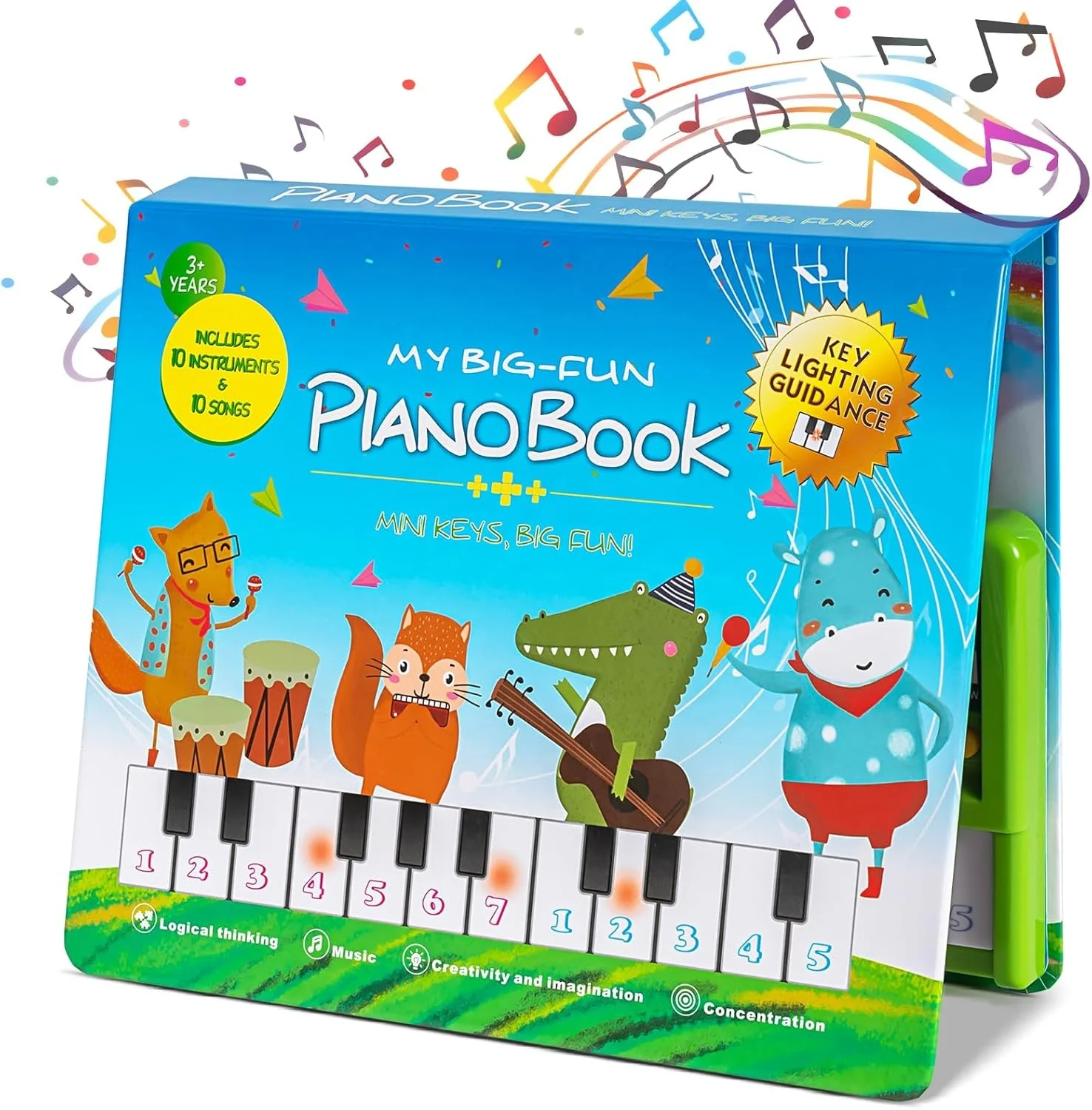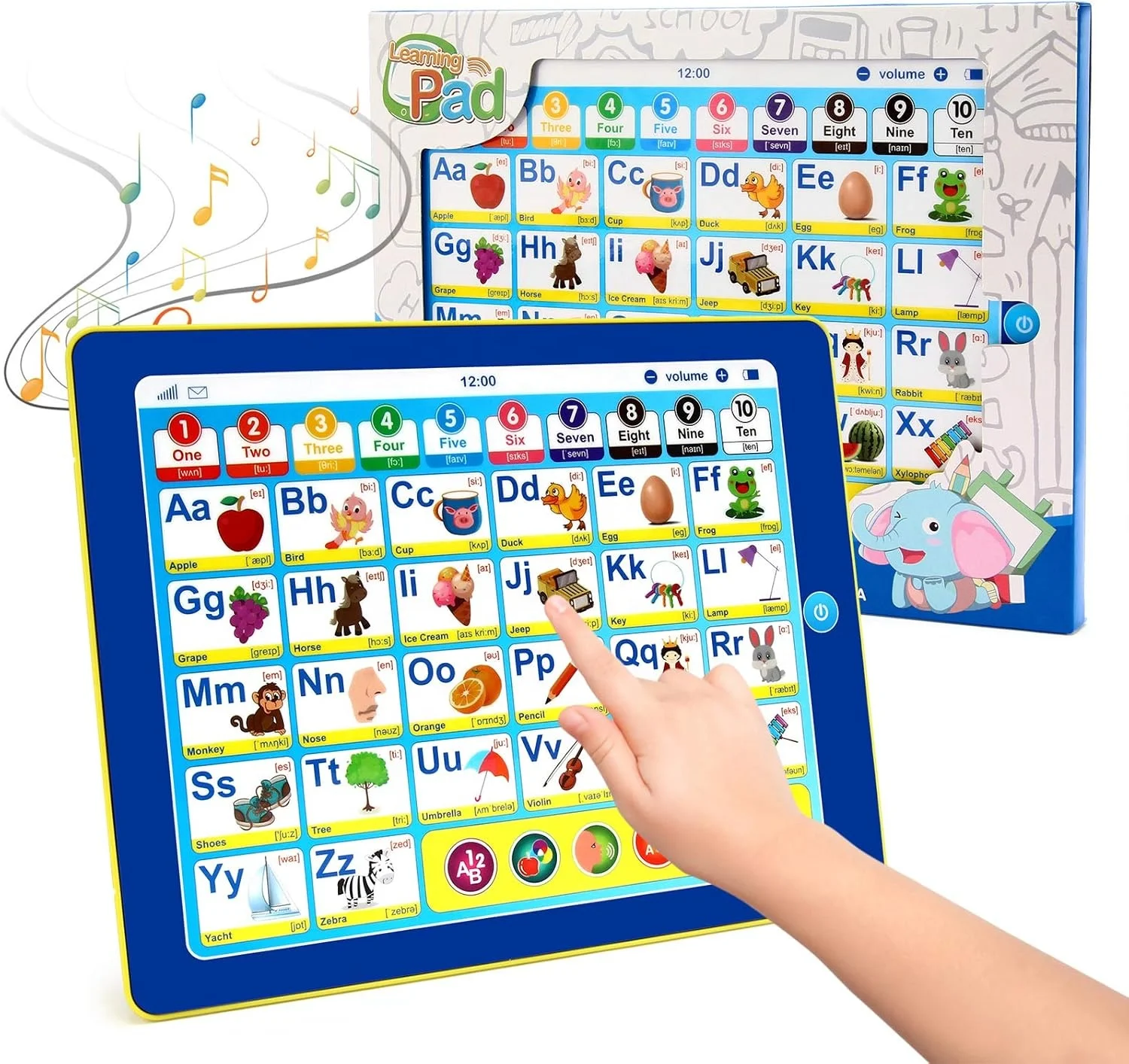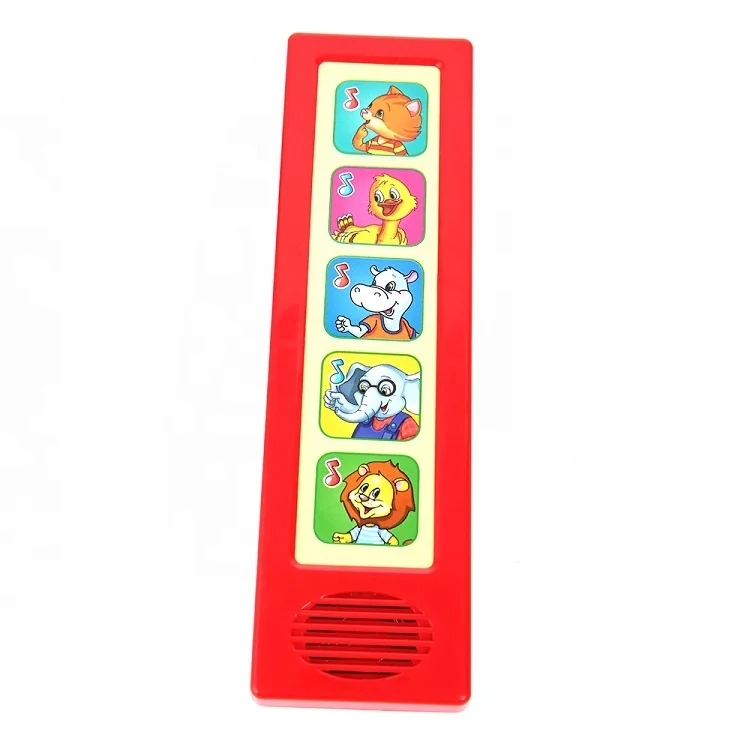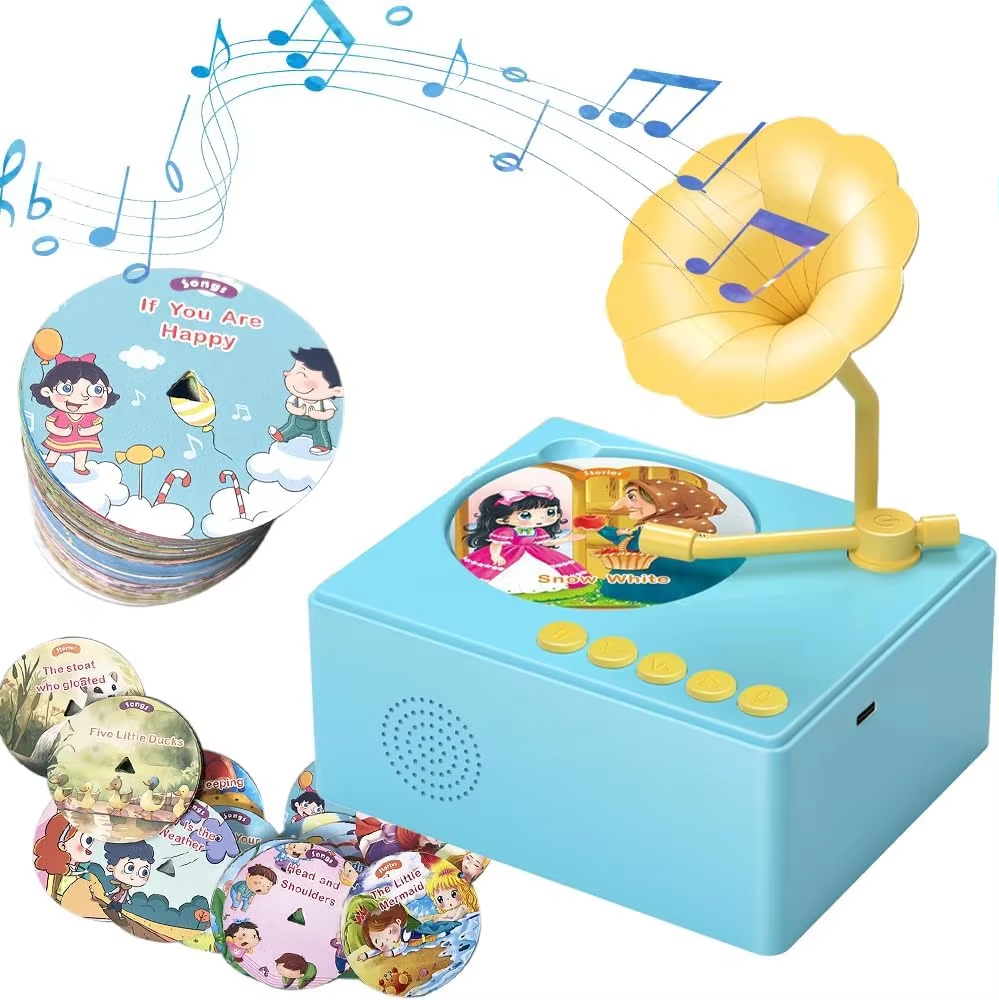
Voice-controlled early education storytelling machines utilize integrated microphones and voice recognition software to allow children to interact with the device using spoken commands. This hands-free operation enables them to request specific stories, ask to play music, control playback (play, pause, stop), or even answer quiz questions verbally, fostering independence and providing a novel, engaging user experience. The application of voice control introduces children to natural language interaction with technology in a safe and educational context, supporting language development and executive function skills like initiating and stopping tasks. A practical use case involves a child saying, "Hey [Device Name], play the story about the dinosaur," and the device responding by launching the requested content. This level of interaction mimics modern smart home devices but is tailored for a child's capabilities and content library. Producing a reliable voice-controlled device is a high-tech endeavor. The IC Bonding department is central to this process, integrating a sensitive microphone, a powerful enough processor to handle voice recognition algorithms, and clear speakers. The Mold Department must design the housing to accommodate the microphone optimally, avoiding sound muffling. The R&D team develops or implements the voice recognition firmware. Extensive quality control testing is performed in various acoustic environments to ensure the device accurately recognizes a child's speech patterns and commands. To inquire about voice-controlled storytelling machines, please contact us for further details.
19
Sep
19
Sep
23
Jul

 EN
EN