
Cognitive Science Foundations: Why the Multifunctional Learning Pen Enhances RetentionThe multifunctional learning pen is designed to align with core cognitive principles that govern how we encode and retrieve new vocabulary. By minimizing mental fri...
VIEW MORE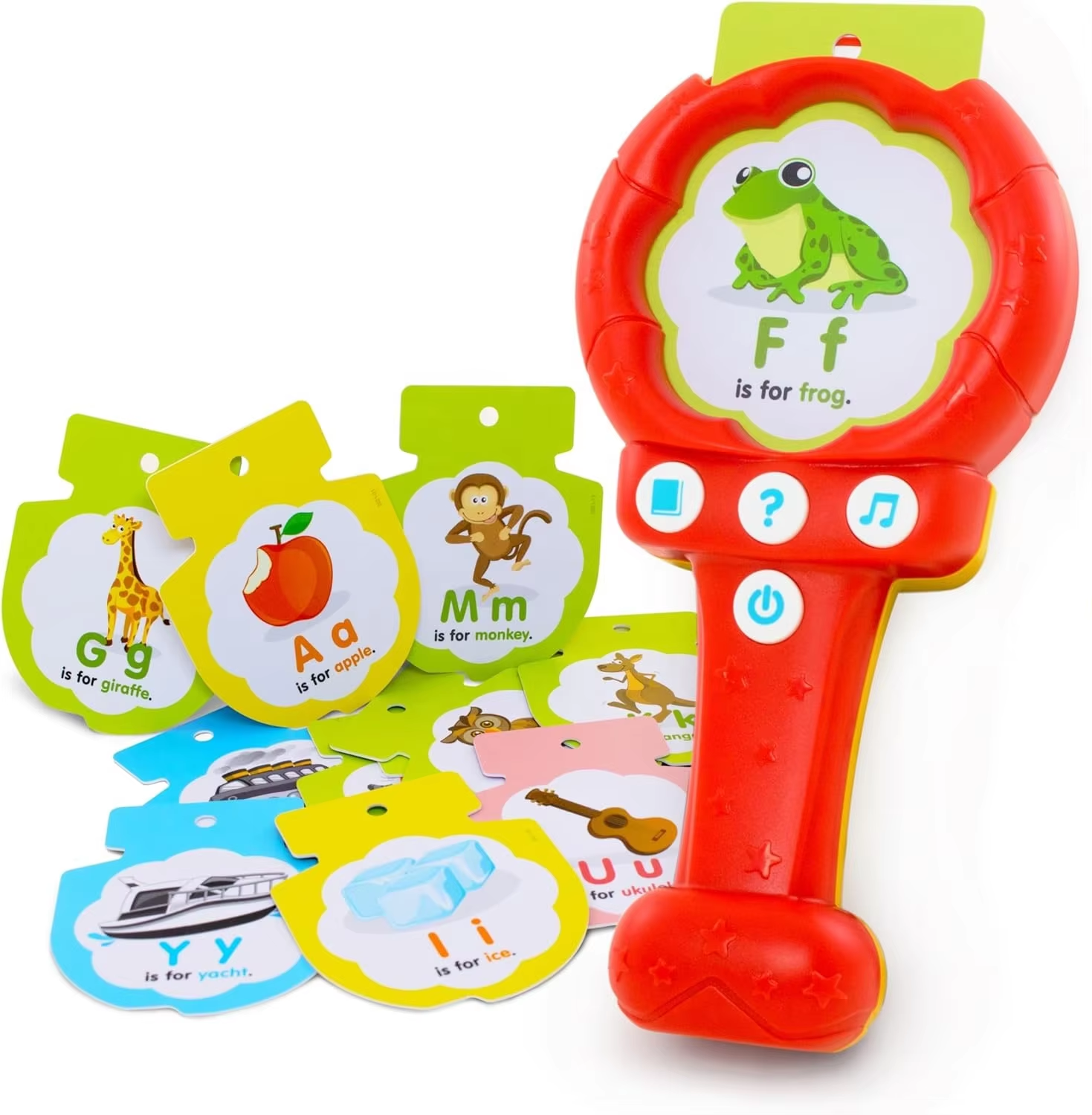
Why Smart Early Learning Toys Transform Developmental OutcomesNeurodevelopmental Benefits: How Dual-Modality Play Strengthens Sensorimotor Integration and Prefrontal Cortex MaturationSmart early learning toys that blend digital screens with tangible ...
VIEW MORE
Wireless Connectivity: Enabling Seamless Interaction in Smart Early Learning ToysModern smart early learning toys rely on invisible, low‑power wireless links to transform solitary play into responsive, educational experiences. By embedding radios tha...
VIEW MORE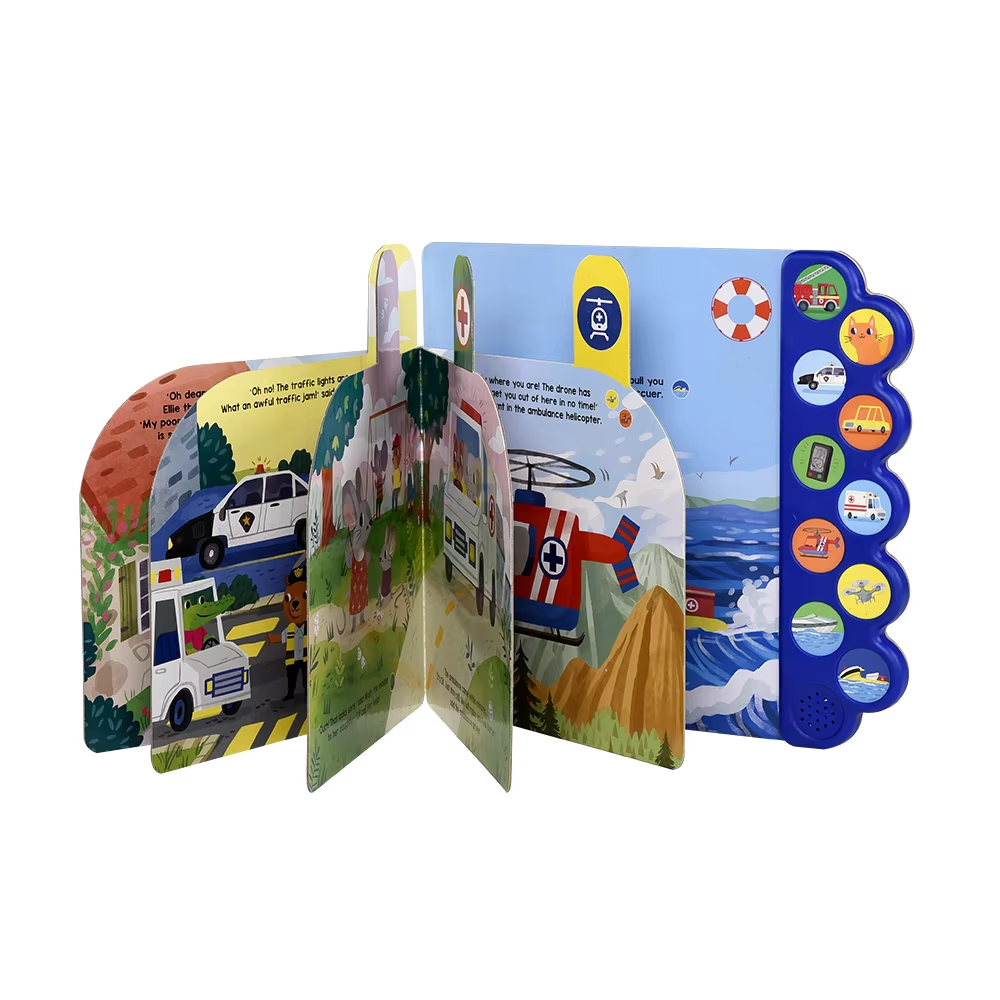
The Science Behind Interactive Educational Toys and Cognitive DevelopmentInteractive educational toys engage children through multisensory experiences that directly shape brain development. When a child presses a button that emits a sound, sees a mat...
VIEW MORE
Non-Toxic Materials: Regulatory Compliance and Developmentally Safe Choices for Infant Soothing ToysSelecting materials for infant soothing toys requires absolute confidence in their chemical safety. The following sub-sections detail the plastic and ...
VIEW MORE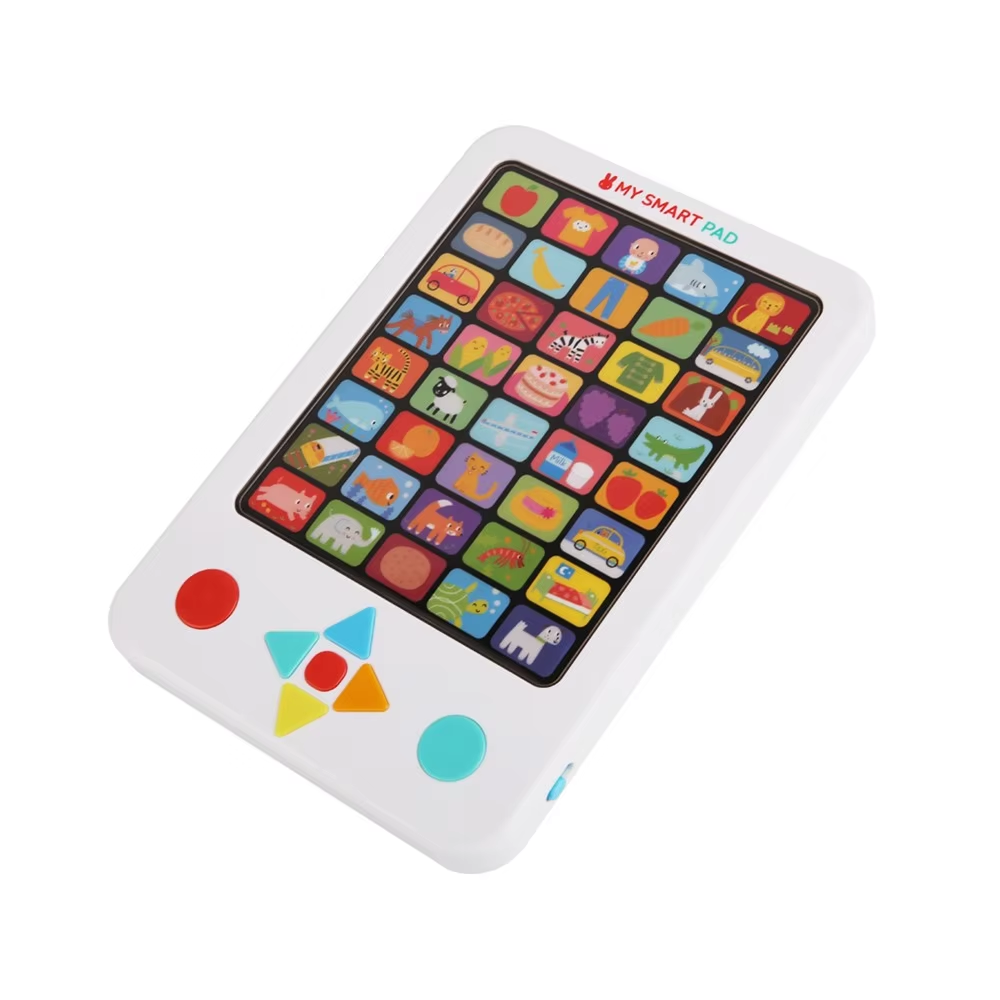
ABS Plastic: The Gold-Standard Material for Talking Early Education Sound BooksChemical Inertness and Non-Toxicity: Ensuring Zero Leaching in Mouthable Audio Learning ToolsABS (Acrylonitrile Butadiene Styrene) is a thermoplastic polymer formed by the...
VIEW MORE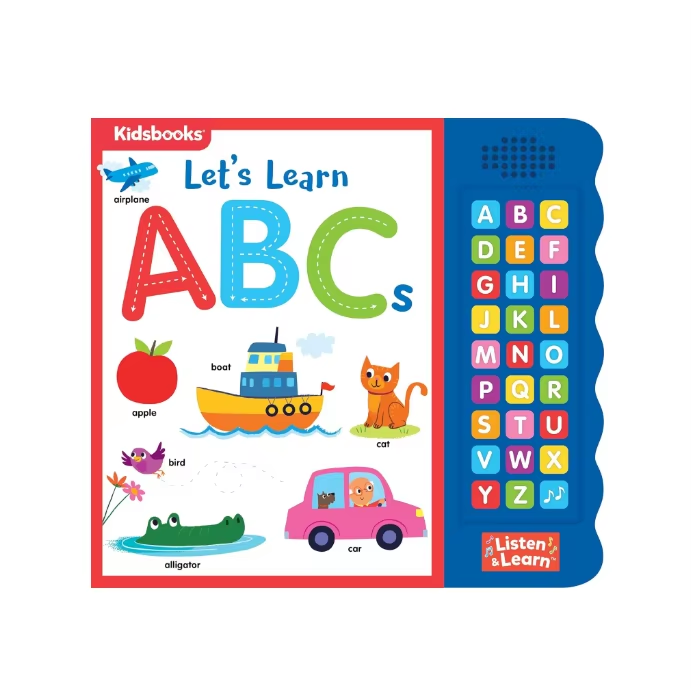
The Science Behind Sound Buttons and Visual-Motor IntegrationTalking early education sound books leverage the brain’s natural affinity for multi-sensory processing to strengthen hand-eye coordination. When toddlers press a sound button, a sophisticat...
VIEW MORE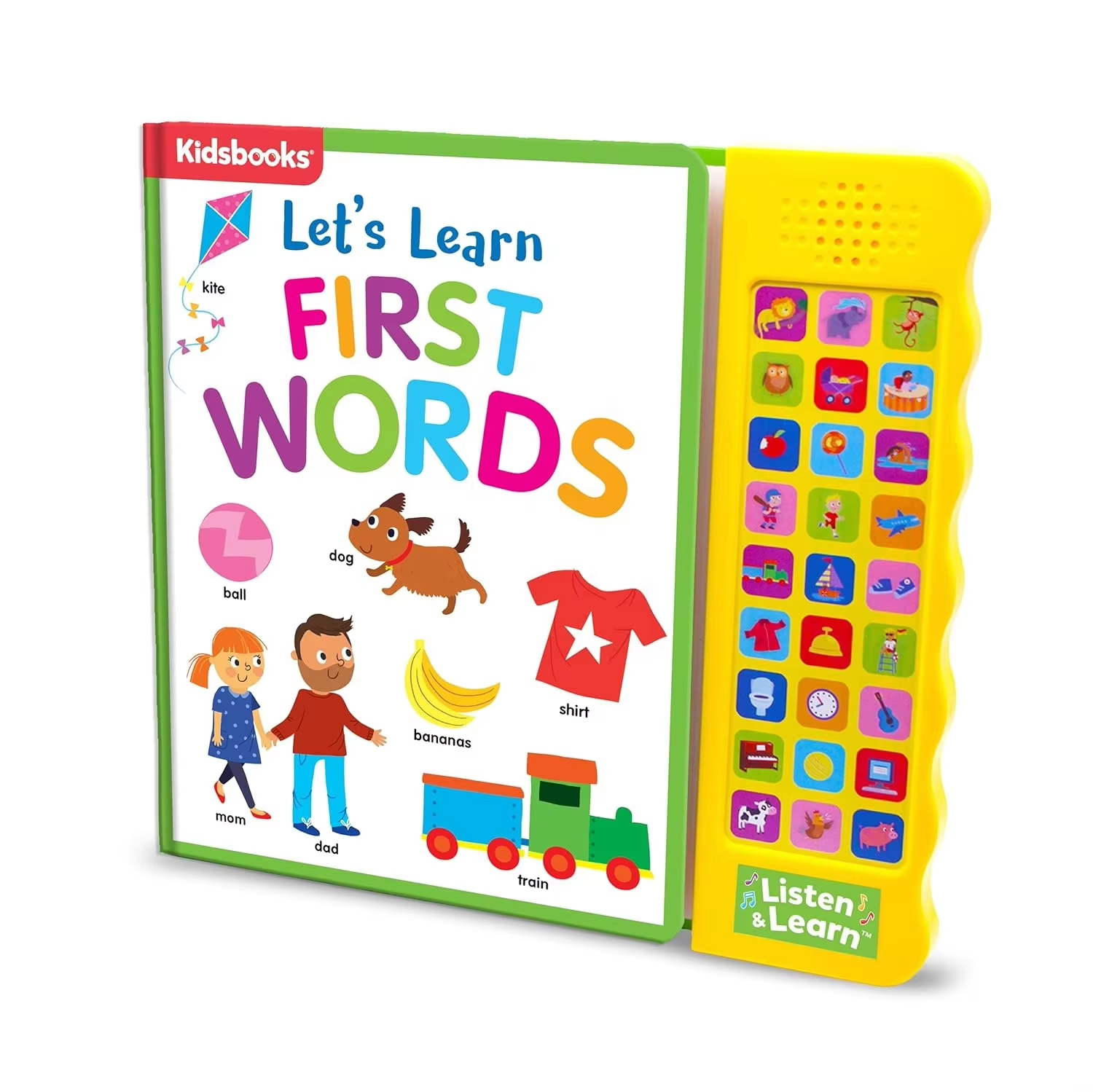
Evaluating Narration and Production Quality for Group ListeningVoice clarity, pacing, and emotional expressiveness in children's audio booksFor group listening, the narrator’s voice is the primary vehicle for story comprehension. Clear articulat...
VIEW MORE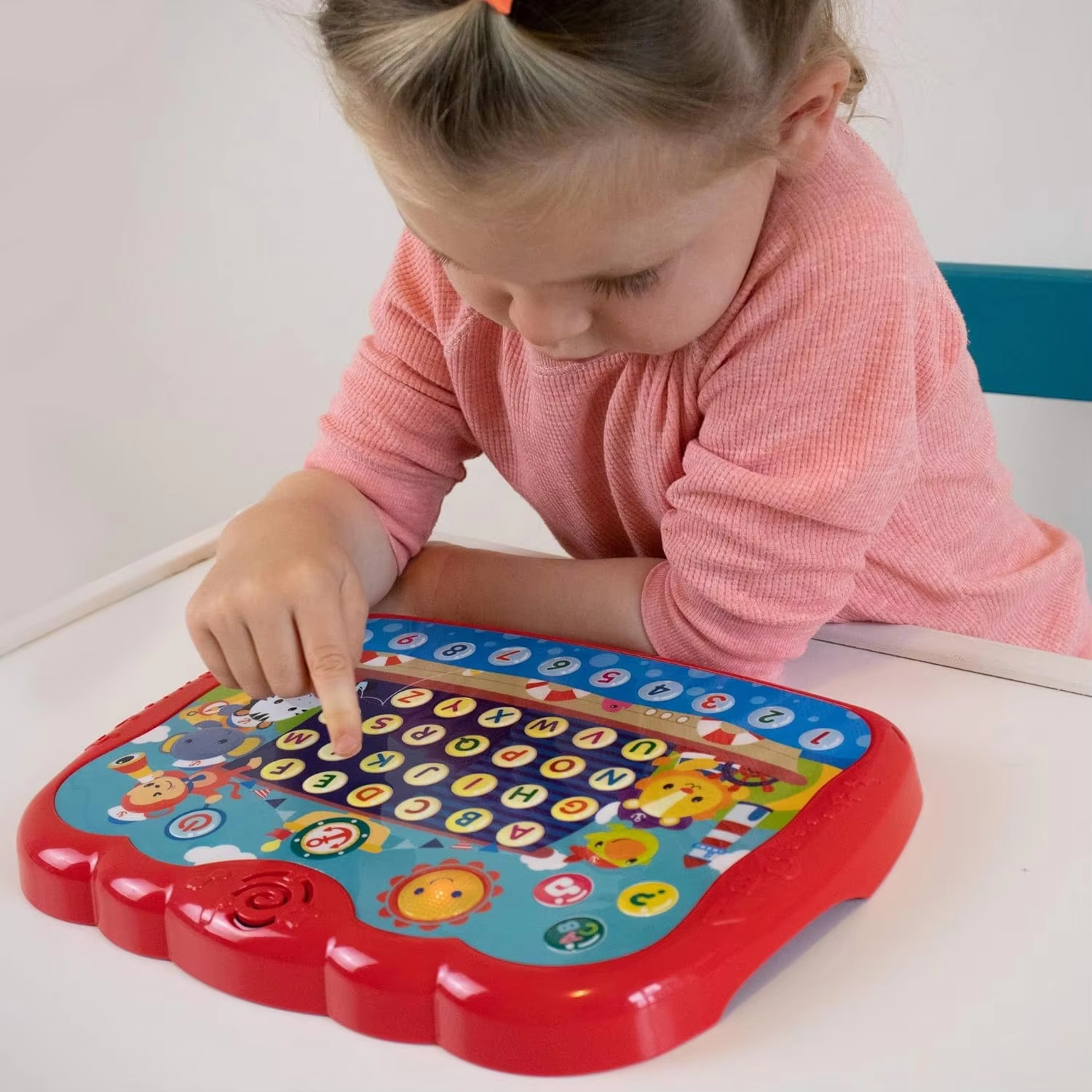
Cognitive Foundations: How Children’s Development Shapes Interactive Point-and-Read Picture Book UseMatching interactive point-and-read picture book features to emerging attention, memory, and language milestonesChildren’s cognitive abilities unfold ...
VIEW MORE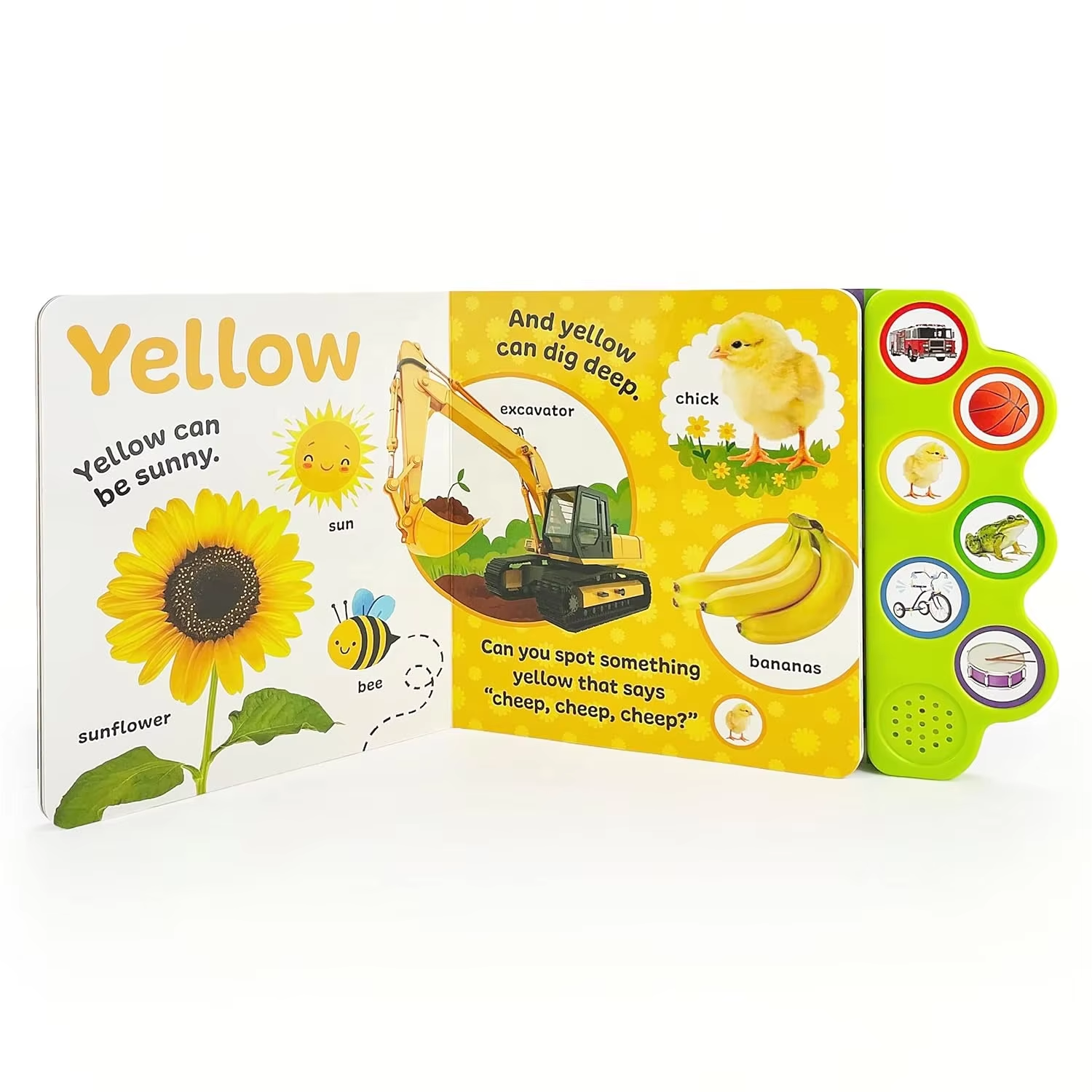
What Is an Interactive Point-and-Read Picture Book?An interactive point-and-read picture book is a hybrid format that merges the tactile experience of a traditional printed book with responsive digital elements. When a child touches a designated spot...
VIEW MORE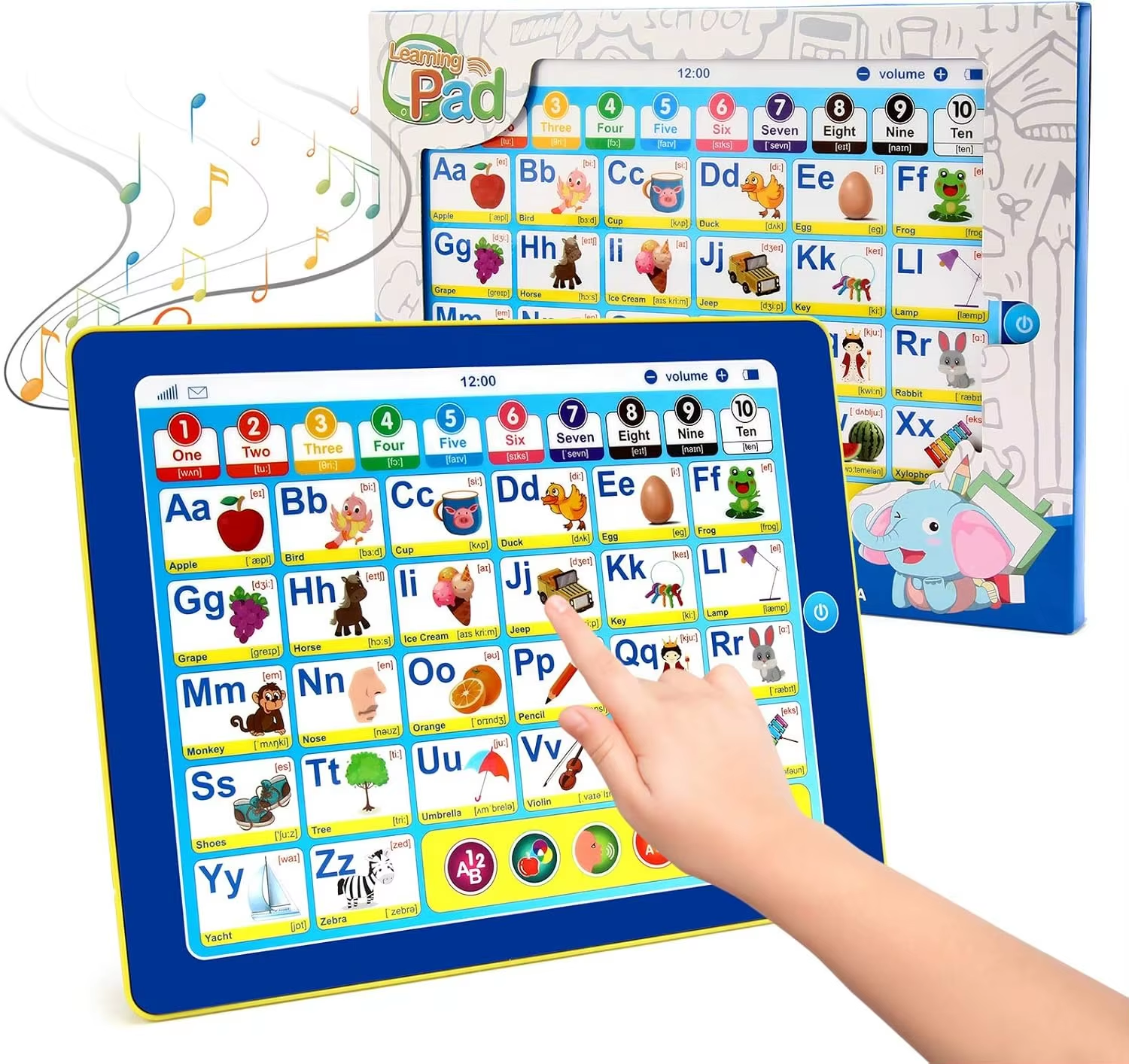
Language Development and Phonemic AwarenessLanguage development begins almost immediately in infancy. Talking early education sound books provide consistent exposure to correctly pronounced words through modeled speech—audio guides that reflect natur...
VIEW MORE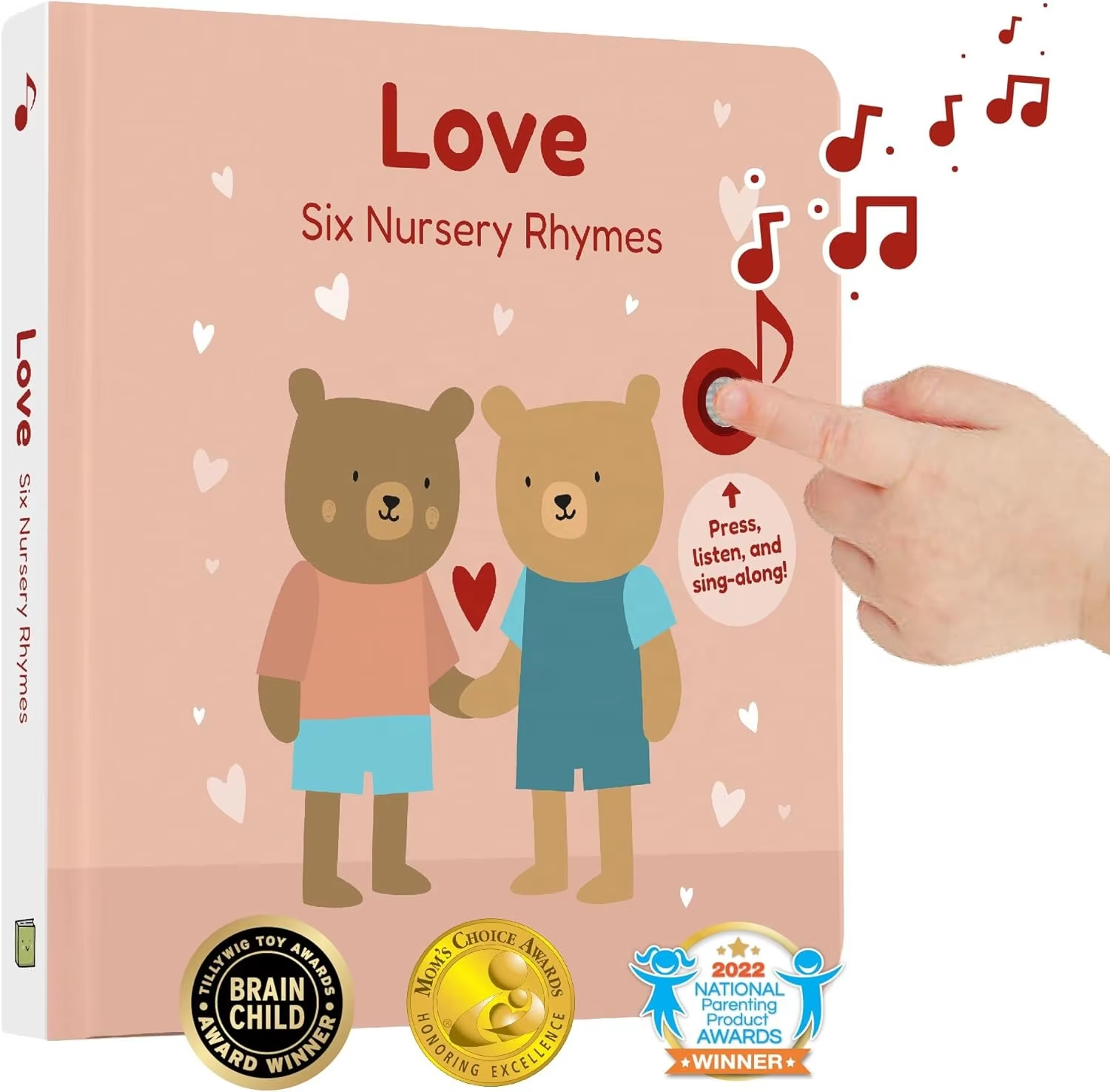
Align the Talking Early Education Sound Book with Your Child’s Developmental StageLanguage Acquisition Milestones and Audio Content AlignmentA talking early education sound book must match your child’s current language abilities to be effective. For ...
VIEW MORE
 EN
EN